


Key takeaways
- Sort out utilities, mail forwarding, documents and insurance before moving day.
- Inspect the roof, attic, gutters and foundation early, ideally after the first heavy rain.
- Change the locks, test smoke and CO alarms, and find the main water, gas and power shutoffs.
- Learn the age and condition of the plumbing, electrical and heating systems.
- Find the nearest hospital, urgent care and pharmacy, and build a household emergency kit.
- Research schools and enrollment deadlines well before the move.
- Budget for first-year costs, including a repair fund of around 1–2% of the home’s value.
Moving into a new home is exciting, but the first few weeks can feel like a blur of boxes, paperwork and unfamiliar routines. It is easy to focus on furniture and paint colors while overlooking the tasks that protect your family, your budget and the house itself. A clear new home checklist keeps those priorities in order. It reminds you to inspect the structure before small problems grow, secure the property, find the local services you will rely on and make decisions about schools and your previous home before they become urgent.
This guide breaks the move into practical stages, starting with what to sort out before moving day and ending with the habits that help you settle in. Along the way, it covers the roof and exterior, safety systems, healthcare, schools and what to do with the home you are leaving behind. You do not need to finish everything in the first weekend. The goal is to know what matters most, tackle it in a sensible order and avoid the expensive surprises that catch many new homeowners off guard in their first year.
Why Do You Need a New Home Checklist?
A move involves hundreds of small decisions, and most of them compete for your attention at the same time. Without a plan, it is common to forget something important, such as transferring utilities, changing the locks or checking the smoke detectors, until it causes a problem. A checklist turns a stressful, open-ended project into a series of manageable steps. It also helps everyone in the household share the work, because each task is visible and can be assigned. Perhaps most importantly, it shifts your attention from what is urgent to what is important, so the tasks that protect your home and family are not lost among the boxes.
- Fewer costly surprises. Inspecting the roof, plumbing and electrical systems early helps you catch issues while they are still small.
- Better safety from day one. New locks, working alarms and a basic emergency plan protect your family immediately.
- Less stress. Knowing what comes next makes the move feel organized rather than overwhelming.
- A faster sense of home. Sorting out schools, healthcare and local services early helps the whole family settle in.
What Should You Sort Out Before Moving Day?
The smoothest moves start weeks before the truck arrives. Administrative tasks take time, and many of them need to be done before you can live comfortably in the new home. Utilities need to be connected, mail needs to follow you and important documents need to be easy to find when you need them. Handling these jobs early prevents arriving to a house with no power, no internet and no idea where the closing paperwork went. It also gives you time to compare providers instead of signing up for whatever is quickest on moving day.
- Schedule utility transfers. Arrange electricity, gas, water, trash collection and internet to start on or before your move-in date.
- Update your address. Set up mail forwarding and update your bank, employer, insurance providers and subscriptions.
- Gather important documents. Keep closing papers, warranties, inspection reports and appliance manuals in one folder.
- Review your insurance. Confirm your homeowner’s policy starts on the right date and covers the new property properly.
- Book movers or helpers early. Popular dates fill up quickly, especially at the end of the month and in summer.
Start With the Roof and Exterior

The roof protects everything beneath it, so it deserves attention early. Even if the home passed a pre-purchase inspection, it is worth taking your own look once you move in, ideally after the first heavy rain. Water damage often starts small, with a single missing shingle, a cracked seal around a vent or a blocked gutter, and spreads quietly into the attic, insulation and ceilings. Catching it early can mean the difference between a minor repair and a major replacement. The same goes for the rest of the exterior, where gaps and cracks let in moisture, drafts and pests.
- Look for damaged or missing shingles. Use binoculars from the ground rather than climbing onto the roof yourself.
- Check the attic. Water stains, damp insulation or daylight through the boards are early warning signs.
- Clean the gutters and downspouts. Make sure water drains away from the foundation.
- Walk the perimeter. Look for cracks in the foundation, peeling paint and gaps around windows and doors.
If you do find damage, it helps to understand what happens before you call anyone out, so you know how professionals typically move from inspection to diagnosis to the final fix and what questions to ask along the way. Learning about the roof repair process also makes it easier to compare quotes and judge whether a recommended repair is reasonable.
Should You Plan Long-Term Roof Upgrades?
Once immediate repairs are taken care of, it is worth thinking about the roof over the longer term. If the home has a flat or low-slope section, such as a garage, an extension or a porch, those areas are often more prone to leaks than pitched roofs because water drains more slowly and seams are under constant stress. Upgrading them can reduce maintenance and improve energy efficiency. You do not need to decide straight away, but knowing your options helps you budget for the future and avoid rushed decisions after a leak appears.
One option many owners consider for flat surfaces is a seamless spray-applied system. Understanding how spray foam roofs work shows why this approach removes the seams where leaks usually begin and adds a layer of insulation at the same time.
- Know the age of your roof. Ask the previous owner or check inspection records so you can plan ahead.
- Consider energy efficiency. Insulation and reflective coatings can lower heating and cooling costs.
- Budget for maintenance. Setting money aside each year makes future repairs far less stressful.
Change the Locks and Check Safety Systems
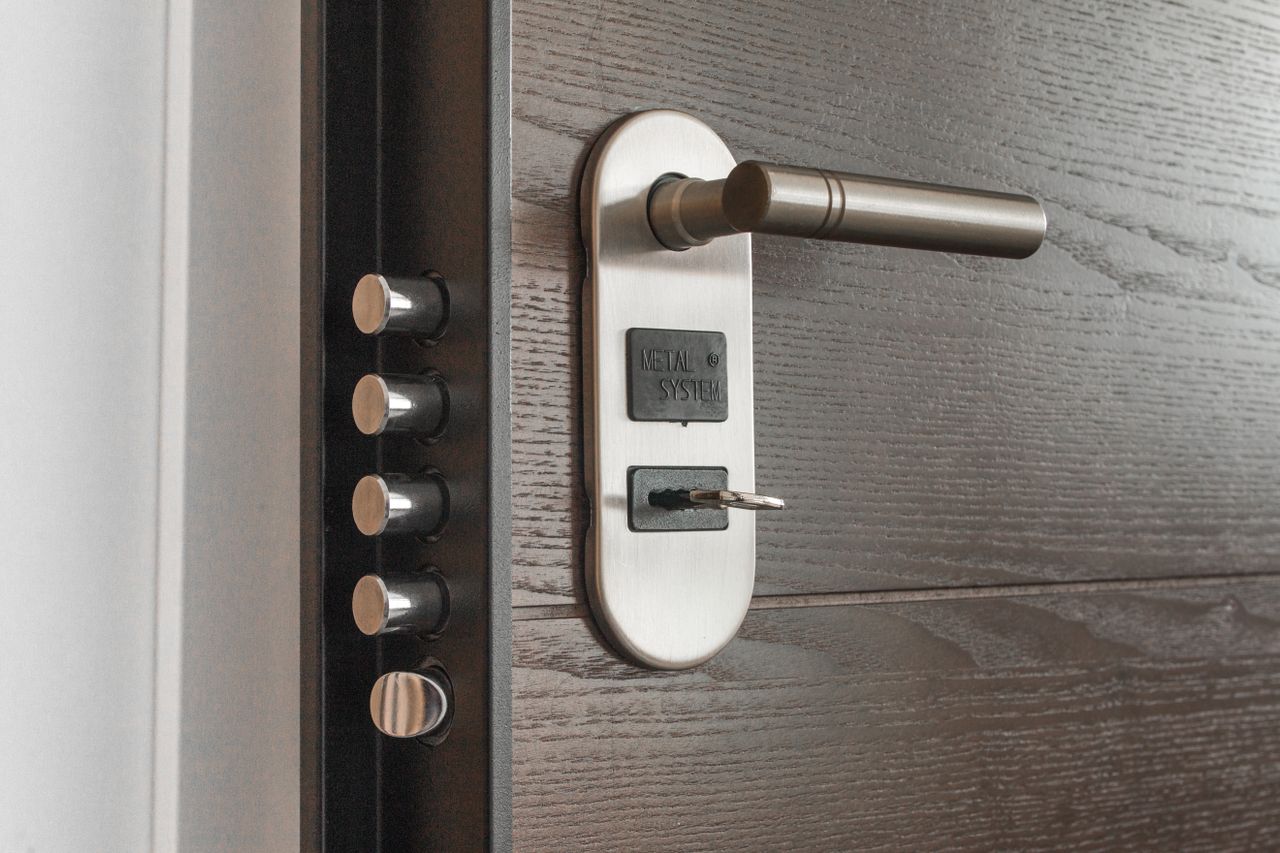
You never know how many copies of the old keys exist. Previous owners, contractors, neighbors and real estate agents may all have had access at some point, so changing or rekeying the locks is one of the first things to do after moving in. Safety systems deserve the same priority. Smoke and carbon monoxide alarms need working batteries, and you should know where to shut off the water, gas and electricity in an emergency. These tasks take an afternoon but provide peace of mind for as long as you live there.
- Rekey or replace exterior locks. Include garage doors, side gates and any keypad codes.
- Test smoke and carbon monoxide alarms. Replace batteries and add alarms where they are missing.
- Find the main shutoffs. Locate the water valve, gas shutoff and electrical panel, and label the breakers.
- Keep a fire extinguisher handy. Store one in or near the kitchen and make sure everyone knows how to use it.
- Check the water heater and HVAC. Note their age and replace dirty air filters.
Get to Know Your Home’s Systems
Every house has its own plumbing, electrical, heating and cooling setup, and understanding yours makes it far easier to spot problems and talk to tradespeople when something goes wrong. Spend some time in the first month learning where everything is, how old the major systems are and what maintenance each one needs. Many issues that become expensive emergencies, such as a burst pipe or a failed furnace in winter, give early warning signs to owners who know what normal looks and sounds like. A little knowledge now saves stress and money later.
Plumbing
- Check under sinks for leaks. Look for drips, water stains or soft cabinet floors.
- Test water pressure and drainage. Slow drains or weak pressure can point to blockages or older pipes.
- Know the age of the water heater. Most tank heaters last around 8 to 12 years, so plan ahead if yours is older.
Electrical
- Label the breaker panel. It saves time when you need to cut power to one room.
- Test GFCI outlets. Kitchens, bathrooms and outdoor outlets should trip and reset properly.
- Watch for warning signs. Flickering lights, warm switch plates or frequently tripping breakers need an electrician.
Heating and cooling
- Replace air filters. Clean filters improve air quality and efficiency.
- Book a service visit. An annual tune-up before peak season helps prevent breakdowns.
How Do You Find Healthcare in a New Area?
Healthcare is easy to forget during a move until someone gets sick or injured. In a new area, you may not know which hospital is closest, which urgent care clinics are open late or which doctors are accepting new patients. Finding these services before you need them saves precious time in an emergency and makes routine care easier to arrange. It is also a good moment to transfer prescriptions to a local pharmacy and request copies of your family’s medical records from previous providers.
- Locate the nearest emergency department. Save the address and fastest route in your phone.
- Find an urgent care clinic. Many minor injuries and illnesses can be treated there more quickly.
- Register with new doctors and dentists. Waiting lists can be long, so start early.
- Transfer prescriptions. Make sure nobody runs out of essential medication during the move.
It also helps to know what to expect at the ER before an emergency happens, from how triage decides who is seen first to what documents to bring with you. A little preparation makes a stressful situation easier to handle. If anyone has a life-threatening emergency, call 911 rather than driving.
Build a household emergency kit
A basic kit means you are ready for power cuts, storms and minor injuries while you are still learning your way around a new area. Keep it somewhere everyone can reach, and check it twice a year.
- First-aid supplies. Bandages, antiseptic, pain relievers and any family-specific medication.
- Power and light. Flashlights, spare batteries and a portable phone charger.
- Water and food. Bottled water and non-perishable snacks for at least a few days.
- Important contacts. A printed list of doctors, the nearest hospital, utility companies and family members.
Choosing Schools for Your Children
For families with children, schools are often one of the biggest factors in a move. Enrollment deadlines, school boundaries and transfer rules vary from district to district, so it pays to start researching well before moving day. Children also adjust more easily when they know where they will be going and have had a chance to visit. Whether you are considering the local public school, a charter school or a private option, comparing them early gives you time to make a thoughtful decision rather than a rushed one.
- Check school boundaries. Confirm which public schools serve your new address.
- Note application deadlines. Many private and charter schools admit students months in advance.
- Visit in person. Tours and open days reveal far more than websites and ratings.
- Request records from the old school. Report cards and support plans help the new school place your child well.
- Plan the daily routine. Check commute times, bus routes and after-school care options before the first day.
- Help your child adjust. Talk about the change, keep familiar routines and look for clubs or activities where they can make friends.
Many parents use a move as a chance to rethink their options entirely, and one of the most common questions is is prep school worth it compared with the local public school. The answer depends on your child’s learning style, your budget and what each school offers.
What Should You Do With Your Old Home?
If you owned your previous home, you have a decision to make about its future. Selling is the most common choice, but some families decide to keep the property, either as a long-term rental or as a vacation rental that earns income from travelers. Each option has different costs, responsibilities and tax implications, so it is worth thinking it through before you move rather than after. Your choice may also affect the timing of your move, since preparing a home for sale or for guests takes time.
- Selling. Provides a clean break and frees up equity for your new home.
- Long-term renting. Offers steady income but requires reliable tenants and ongoing maintenance.
- Short-term renting. Can earn more per night but needs more management, cleaning and guest communication.
Questions to ask before you decide
- Can you afford two properties? Consider mortgage payments, taxes and insurance on both homes if the old one sits empty for a while.
- Who will handle problems? A leak or lockout needs someone local who can respond quickly.
- What do local rules allow? Cities and homeowners associations may limit or regulate rentals.
- How will it affect your taxes? Rental income and the eventual sale can both have tax consequences, so speak to a tax adviser.
If renting to travelers appeals to you, learning how to turn your home into a vacation rental will help you plan for local rules, furnishing, cleaning and remote guest access, which becomes essential once you no longer live nearby.
How Should You Budget for Your First Year?
The costs of owning a home do not stop at the down payment and closing fees. In the first year, many owners are surprised by expenses they did not plan for, from furniture and window coverings to repairs that only became obvious after moving in. Property taxes, insurance and utility bills can also be higher than in a previous home. Building a realistic first-year budget helps you avoid putting unexpected costs on credit cards and gives you a clear picture of what you can afford to improve and when.
- Set aside a repair fund. Many homeowners budget around 1 to 2 percent of the home’s value each year for maintenance and repairs.
- Prioritize needs over wants. Fix safety and structural issues before cosmetic upgrades.
- Track utility costs. The first few bills show where energy efficiency improvements could save money.
- Spread out big purchases. Furnish and decorate room by room instead of all at once.
- Review property taxes and insurance. Make sure escrow payments or savings will cover them.
Settling In During Your First Few Weeks
Once the essentials are covered, the focus shifts to making the house feel like home. The first few weeks are the perfect time to deep clean, organize and get to know the neighborhood. They are also when you will notice the quirks of the house, such as a door that sticks, a tap that drips or a room that never warms up. Keeping a running list of these small issues helps you prioritize repairs and spot patterns that might point to a bigger problem. Settling in is gradual, so give yourself and your family time to adjust.
- Deep clean before unpacking. Cabinets, floors and appliances are easiest to clean while empty.
- Check for pests. Look for droppings, nests or entry points in the basement, attic and garage.
- Meet the neighbors. They can recommend local tradespeople and share useful knowledge about the area.
- Learn the local services. Find out trash and recycling days, parking rules and any homeowners association requirements.
- Keep a maintenance log. Record repairs, service dates and warranties in one place.
- Update smart devices and codes. Reset garage door openers, thermostats, doorbells and Wi-Fi passwords left by the previous owner.
- Plan for the seasons. Note when to clean gutters, service the heating and prepare outdoor areas for winter.
Putting Your New Home Checklist Into Action
A new home checklist works best when you treat it as a plan rather than a to-do list to finish in one weekend. Start with the tasks that protect your family and property: connect utilities, change the locks, test the alarms and inspect the roof and exterior. Next, take care of the services your household depends on, including healthcare and schools. Then make decisions about your previous home and plan longer-term upgrades. Finally, settle in at your own pace, keeping notes on anything that needs attention.
Moving is a big change, but it does not have to be chaotic. Working through these steps in order means fewer surprises, a safer home and a family that feels settled sooner. Keep your list somewhere everyone can see it, tick items off as you go and revisit it after a few months to catch anything that slipped through. With a little planning, your new house will feel like home much faster.