The emergency room (ER) can be an overwhelming place for both patients and their families. Understanding what to expect can alleviate some of the anxiety and help you navigate the process more effectively. This article aims to provide insights on key aspects about emergency room experiences.
With the hectic pace and potential stress involved, knowledge becomes a powerful tool. Therefore, learning about the ER journey brings a sense of preparedness that can enhance your overall experience.
How Long Will I Have to Wait in the Emergency Room?
Wait times in the emergency room can vary significantly due to several factors. The urgency of medical needs is a primary determinant, with life-threatening conditions receiving precedence. Additionally, the time of day and the overall volume of patients can impact your waiting period. For example, evenings and weekends are typically busier times. Thus, understanding these factors can help set realistic expectations as you plan for an ER visit.
Upon arrival at the ER, patients undergo a process known as triage. During triage, a medical professional assesses the severity of your condition. This assessment helps prioritize care and can affect how quickly you receive attention. While waiting can be taxing, knowing that each patient will be attended to based on urgency can offer some comfort. Patience and communication with the staff are key components of this experience.
Emergency rooms strive to provide timely and effective care, but waiting is an inevitable part of the process. Facilities are constantly working to improve efficiency through various measures, such as updating technology or optimizing staff workflows. Patients can also be proactive by providing accurate medical history and symptom details during triage. This collaboration can aid in streamlining your care journey. Remember, the priority is delivering appropriate care tailored to individual needs.
What Should I Bring with Me to the ER?
Preparation for an ER visit can significantly ease the process for both patients and healthcare providers. Essential items to bring include a government-issued ID and any health insurance information you may have. Having a list of current medications, including dosages, can facilitate communication about your treatment needs. Additionally, bringing along any pertinent medical history documents can provide critical insights into your health profile. These items collectively streamline check-in and enable efficient care delivery.
While the immediate focus is on addressing medical issues, personal comfort is also essential. Consider bringing a mobile phone charger to maintain communication. Additionally, some personal items like a small snack or a light jacket can add to your comfort during the wait. Familiarity with ER policies regarding personal belongings can also be advantageous. Proactivity in preparing for the visit reduces stress, letting you focus on receiving care.
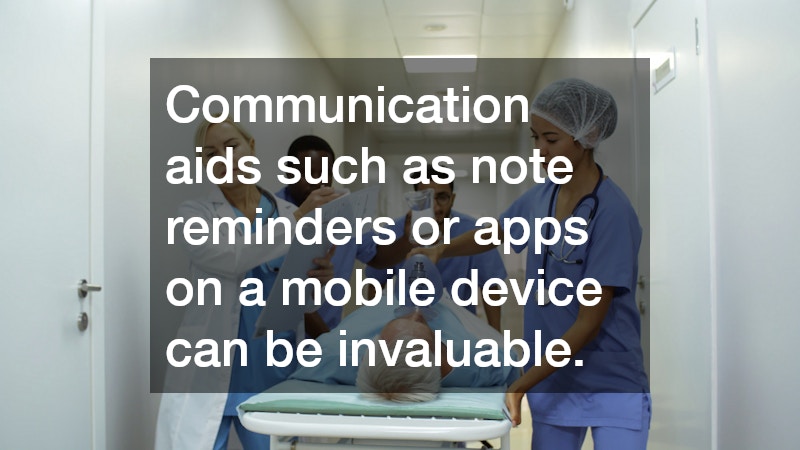
Communication aids such as note reminders or apps on a mobile device can be invaluable. They allow you to document any symptoms or questions you may have, ensuring those critical details are not overlooked amid the stress. Having someone accompany you can also provide emotional and logistical support, such as keeping your belongings safe. In essence, meticulous preparation for the ER visit is central to a smoother and more effective process. Starting with a checklist can ensure you’re ready for any unexpected ER visit.
Can I Refuse Certain Treatments in the Emergency Room?
Patients in the emergency room retain the right to make informed decisions about their medical care. This includes the ability to refuse specific treatments offered to them. Informed consent is a fundamental principle in healthcare, ensuring patients understand the implications of accepting or declining an intervention. However, rejecting treatment in critical situations should be a carefully considered decision. Consultation with a healthcare professional helps weigh the risks and benefits involved.
Legal and ethical guidelines support patient autonomy but emphasize shared decision-making. Open and honest discussions with medical providers allow for a comprehensive understanding of available options. The healthcare team may outline the potential consequences of refusal, supporting patients as they deliberate their choices. It is critical that refusals and consent are clearly documented to respect patient rights and uphold medical standards. Patients are encouraged to voice their concerns and ask any necessary questions.
There are specific contexts, such as when minors or unconscious individuals are involved, where decision-making can become more complex. In such instances, healthcare providers may act in the best interest of the patient if immediate family or legal representatives cannot be reached. Nevertheless, communication remains a cornerstone in ER scenarios, highlighting the importance of expressing treatment preferences early. ER staff strives to respect and uphold patient wishes while delivering necessary care. Empowering patients with clear information is fundamental to ethical medical practice.
Understanding what to expect from an emergency room visit can significantly improve the experience and outcomes for patients and their families. By being prepared and informed, you can better collaborate with healthcare professionals to receive the care you need effectively. The ER can be a place of intense emotion and challenge, but it is also one of hope and healing. Knowledge, preparation, and clear communication empower patients to play an active role in their health journeys. Ultimately, these elements contribute to navigating the ER with greater confidence and peace of mind.