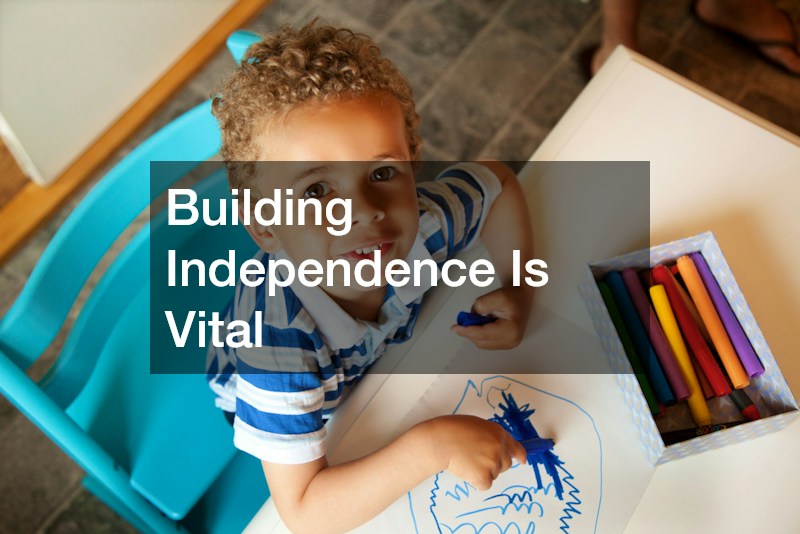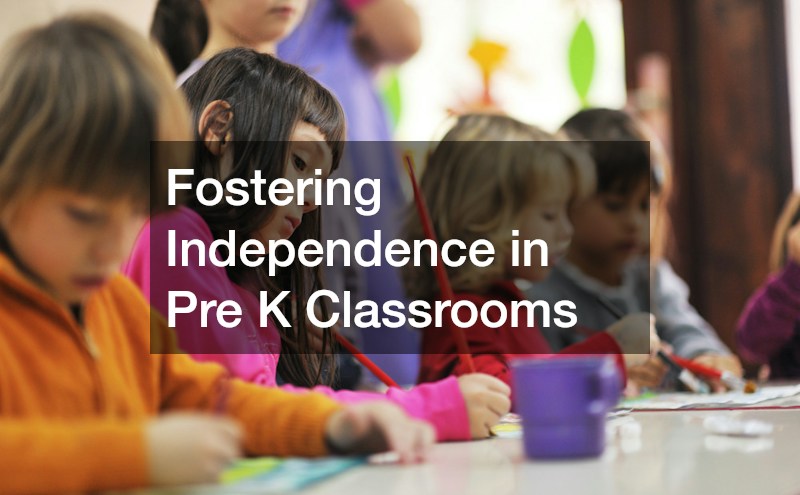

Independence is one of the most valuable skills a young child can build before kindergarten. When children learn to make choices, solve small problems, and try new tasks on their own, they gain confidence that carries into every part of life. These early experiences also help prepare them for the routines and expectations of a school day. Below, we’ll explain how Pre K classrooms foster independence through thoughtful routines, hands-on learning, and caring guidance.
Building Independence Step by Step
Families have many options when choosing early education. According to CAPE, there are over 30,000 private schools in America. What sets a program apart is how intentionally it supports each stage of growth. In our classes for two-year-olds, independence is a central focus, with daily time for both group learning and individual experiences. As children turn three, teachers support self-directed practice, and our four-year-olds use learning centers that encourage them to work on their own or in small groups. Each step builds on the last, so children gain new skills at a comfortable pace.
Learning Through Hands-On Exploration
Children become more independent when they’re trusted to explore. Our Mother Goose Time curriculum invites them to investigate literacy, math, science, art, and music through hands-on experiences. Activities are designed to build problem-solving and critical-thinking skills, so children practice figuring things out instead of waiting for answers. Project-based and active learning give our Pre-K students the chance to take ownership of their discoveries.
Growing Social and Character Skills
Independence also means learning to get along with others and make good choices. Dramatic play and games help children practice sharing, taking turns, and expressing themselves with peers. Our Pixie Dreams program introduces values and character education, with parent resources that help families reinforce those lessons at home. Classroom displays of children’s work also let them take pride in what they’ve created. Over time, children learn to manage their feelings and handle everyday situations with growing confidence.
A quality early learning program for children ages one to five builds confidence, curiosity, and kindergarten readiness. Many preschools offer a Voluntary Prekindergarten (VPK) class for four-year-olds, along with a structured day balanced with free play, indoor play spaces, and nutritious meals. Some programs also offer enrichment activities such as ballet, dance, karate, piano, music, and soccer, which give children more ways to explore their interests. Parents looking at Pre-K options should consider how well a program balances learning, play, and enrichment to support their child’s growth.