
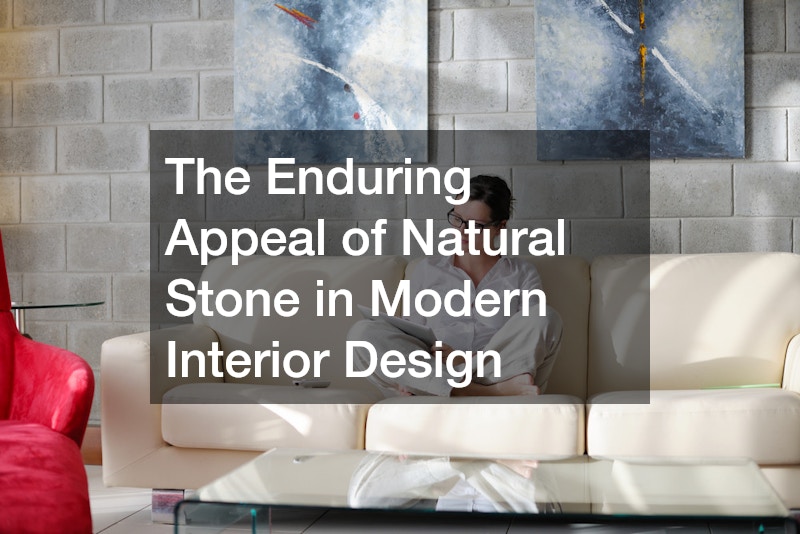

There is something captivating about stepping into a home that uses raw, organic materials. While design trends come and go—from bright neon accent walls to ultra-plastic minimalist furniture—natural stone has managed to stay relevant for centuries. It does not feel like a fleeting phase. Instead, it offers a grounded, permanent quality that makes any room feel instantly more intentional and elevated.
Today, homeowners and interior designers are moving away from manufactured, mass-produced surfaces in favor of materials that bring character, depth, and history. Whether it is a soft white marble island in a kitchen or a dark slate accent wall in a bathroom, organic stone bridges the gap between old-world craftsmanship and modern aesthetic preferences.
Why Natural Stone Continues to Capture Modern Interiors
The shift toward natural stone is not just a stylistic preference; it is backed by significant momentum across the global construction and design markets. According to research from Grand View Research, the global natural stone market reached an estimated valuation of $11.2 billion. This steady investment reflects a broader desire among property owners to prioritize long-term durability and organic beauty over temporary design fixes.
People are spending more time at home, and as a result, they want their living environments to feel like peaceful retreats. Synthetic alternatives like porcelain or laminate can try to copy the look of stone, but they often fall short when it comes to tactile richness. Every slab of real stone carries a story shaped over thousands of years, giving your space an authentic, one-of-a-kind footprint that manufactured materials simply cannot replicate.
The Most Popular Stones and How to Use Them
When you begin exploring options for your home, you will quickly notice that no two stones behave or look the same. Choosing the right material comes down to balancing beauty with functionality.
- Marble: Known for its iconic veining and bright hues, marble remains the ultimate choice for luxury finishes. It works wonderfully for bathroom vanities, fireplace surrounds, and low-traffic backsplashes. Because it is porous, it requires regular sealing, but many home owners consider its natural aging process part of its charm.
- Granite: If you need a surface that can survive high heat, heavy pots, and accidental spills, granite is a top contender. It is incredibly tough, highly scratch-resistant, and comes in an endless array of speckled, dark, and vibrant patterns.
- Quartzite: Not to be confused with engineered quartz, quartzite is a naturally occurring metamorphic rock. It offers the dreamy, veined appearance of marble alongside the tough durability of granite, making it a fantastic choice for busy kitchen islands.
- Travertine and Limestone: These earth-toned stones bring warm beige, cream, and sandy textures to a room. They excel in low-sheen finishes on floors, shower walls, and outdoor-indoor patio transitions.
- Slate: Dark, dramatic, and naturally slip-resistant, slate adds a modern edge to flooring and accent walls. Its layered, tactile surface creates instant visual drama in minimalist spaces.
Integrating Organic Surfaces Into Modern Spaces

Bringing heavy natural elements into a contemporary home requires a light touch. You do not need to line every wall with stone to make an impression. In fact, natural stone works best when it is paired strategically with softer textures and warm materials.
Kitchen Countertops and Waterfall Islands
The kitchen is the heart of the home, making it the most popular spot for stone installations. A waterfall island—where the stone countertop extends seamlessly down the sides to the floor—creates a clean, sculptural centerpiece. Pairing a veined quartzite slab with warm wooden cabinetry or matte black hardware keeps the space from feeling cold or commercial.
Dramatic Fireplace Surrounds
A floor-to-ceiling stone fireplace serves as a grounding focal point in an open-concept living area. Large format slabs offer a sleek, contemporary look, while stacked stone tiles add rich physical texture that catches ambient lighting beautifully during the evening.
Serene Spa Bathrooms
Transforming a basic bathroom into a wellness retreat is remarkably easy with the right materials. Using limestone or marble across shower walls, vanities, and floors creates a cohesive, continuous surface that makes small bathrooms feel larger and much more serene.
Practical Benefits That Go Beyond Aesthetics
While natural stone certainly looks stunning, its practical benefits are just as impressive. Buying high-quality stone is an investment in the long-term functionality of your living space.
- Unmatched Longevity: Unlike synthetic surfaces that chip, peel, or warp over time, natural stone is built to last decades. With minimal maintenance, it can withstand daily wear and tear without losing its structural integrity.
- Thermal Mass Properties: Stone naturally holds temperature well. In the summer, it stays cool to the touch, and when paired with radiant underfloor heating systems in the winter, it retains warmth efficiently.
- Increased Property Value: High-end finishes like natural stone are a major selling point for prospective buyers, allowing you to recoup a significant portion of your investment if you ever decide to sell.
- Hypoallergenic Qualities: Smooth, sealed stone surfaces do not harbor dust mites, pet dander, or allergens, making them a healthier choice for indoor air quality compared to carpeted or porous floor coverings.
Sourcing and Maintenance Essentials
To get the most out of natural stone, you have to consider where it comes from and how you plan to care for it. Selecting materials sourced directly from a sustainable quarry guarantees that you are receiving genuine, high-grade stone rather than an engineered composite. Working with experienced stonemasons also ensures that the cuts, edge profiles, and finishes suit the structural requirements of your specific room.
Once installed, caring for natural stone is surprisingly straightforward:
- Seal Periodically: Depending on the porosity of the stone and how often the surface is used, apply a penetrating sealer every 1 to 3 years to prevent staining from oil or acidic liquids.
- Use Neutral Cleaners: Avoid harsh chemicals, bleach, or acidic solutions like vinegar. A mild dish soap mixed with warm water or a specialized stone cleaner is all you need for daily wipes.
- Protect Against Physical Stress: Use cutting boards in the kitchen to preserve the sealant, and place coasters under glasses containing juice, wine, or coffee.
Final Thoughts
Natural stone is far more than a passing interior design phase—it is a timeless design element that connects our indoor spaces to the natural world. Its rich textures, incredible durability, and unique patterns allow homeowners to craft spaces that feel both elevated and grounded. Whether you are planning a full kitchen remodel or looking to upgrade a small bathroom vanity, introducing natural stone ensures your home will remain stylish, functional, and inviting for decades to come.