

Starting a hobby farm sounds idyllic — a few chickens, some raised beds, maybe a couple of goats. The reality arrives quickly in the form of fencing quotes, soil amendments, and equipment lists that stretch far longer than anticipated. Most first-timers underestimate not just the upfront costs but the ongoing monthly obligations that make or break a small operation. Before committing land, money, or weekends to this endeavor, understanding the true financial picture — across setup, animals, infrastructure, and recurring expenses — helps separate a rewarding side project from a costly lesson.
The Real Setup Costs Before You Plant or Stock Anything
Infrastructure spending hits hardest in year one, and it almost always runs higher than the initial estimate. Fencing alone can consume $1,500 to $4,000 for a modest two-acre perimeter, depending on whether you need basic field wire or predator-resistant hardware cloth for poultry. Raised beds, if built from cedar or composite lumber, run roughly $150 to $300 per bed once soil amendments and initial fill are included. Gravel pathways, water access lines, and basic drainage corrections add another $500 to $2,000 depending on site conditions.
Many beginners skip a soil test, then spend the first season troubleshooting poor germination. A basic soil test through a university cooperative extension service costs $15 to $30 and identifies pH imbalances or nutrient deficiencies before they waste an entire growing season. That $20 test frequently saves $200 or more in misdirected fertilizer spending.
The build-versus-buy decision matters here. A prefabricated chicken coop rated for 6 to 8 birds runs $400 to $800 but often sacrifices ventilation and predator resistance. A custom-built structure using dimensional lumber costs $600 to $1,200 but lasts significantly longer and can be tailored to local predator pressure. For hobby farmers who plan to stay in the project beyond year two, the custom build almost always justifies the premium.
Actionable starting points for infrastructure:
- Get at least three fencing quotes that specify gauge, post spacing, and burial depth before signing any contract
- Order a soil test from your state’s cooperative extension office before purchasing any amendments or seed stock
- Budget a 20% contingency above your infrastructure estimate — nearly every first-time setup encounters one unexpected drainage or access issue
Animals, Feed, and the Costs That Repeat Every Month
Live animals introduce a financial rhythm that land improvements do not. Feed, bedding, veterinary care, and supplements create a baseline monthly cost that continues regardless of weather, harvest success, or personal schedule. A flock of six laying hens costs roughly $25 to $40 per month in feed and bedding, which sounds modest until you factor in an occasional vet visit at $75 to $150 or a replacement bird at $5 to $25 depending on breed.
Goats are a common second step for hobby farmers attracted to dairy or brush control, but they change the cost structure considerably. A pair of Nigerian Dwarf does runs $200 to $600 at purchase, and monthly feed costs for two animals average $40 to $70. Add hoof trimming every 6 to 8 weeks at $15 to $30 per animal if done professionally, plus annual vaccinations, and the true annual cost per goat often reaches $400 to $600 — not counting fencing upgrades required to contain them reliably.
The comparison that matters most here is small livestock versus no livestock in year one. Many experienced hobby farmers recommend running a productive garden for a full season before adding animals. The garden teaches land and time management without the irreversible daily obligation that livestock create. Animals cannot be paused during a busy work week; vegetables can wait a few extra days.
Ongoing cost discipline looks like this:
- Track feed costs in a simple spreadsheet monthly and compare per-dozen egg cost against grocery prices once production stabilizes, typically around month 5 to 6 of laying
- Schedule a preventive vet check for livestock in early spring before peak illness season, rather than waiting for symptoms — emergency farm calls often cost 2 to 3 times routine visit fees
- Source hay and bedding in bulk from local auctions or cooperatives, where prices per bale can run 30% to 40% lower than retail
Tools, Equipment, and Where Beginners Overspend
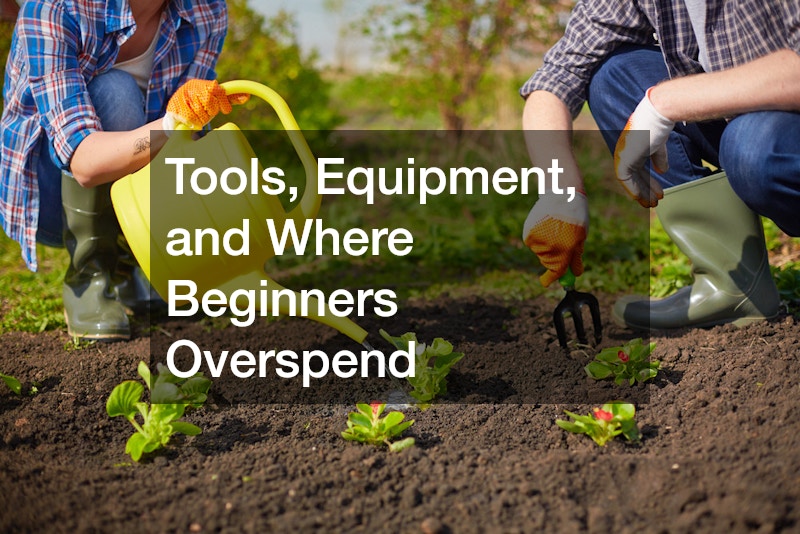
The tool category is where enthusiasm reliably outpaces necessity. First-year hobby farmers frequently purchase a full complement of long-handled tools, motorized tillers, sprayers, and propagation equipment before understanding which tasks actually recur on their specific land.
A well-chosen starter kit — quality spading fork, two sizes of hoe, harvest knife, wheel hoe for between-row cultivation, and a reliable pressure sprayer — covers most weekend farm tasks for under $350 if sourced from a reputable farm supply rather than a general home improvement retailer, where agricultural tool quality varies significantly.
Motorized equipment presents a genuine rent-versus-buy decision. A rear-tine tiller costs $600 to $1,200 to purchase but rents for $75 to $150 per day. For a farm with two planned bed-preparation sessions per year, renting breaks even at roughly year four or five. Buying makes sense only when terrain or soil density requires multiple tilling passes per season or when neighbors share the cost.
What experienced small-farm operators learn quickly is that durable hand tools outperform cheap motorized ones for most sub-acre tasks. A $90 stirrup hoe maintained properly lasts a decade. A $400 electric cultivator with underpowered torque often fails in clay-heavy soil within two seasons.
Equipment priorities by phase:
- In year one, spend on hand tools and rent any motorized equipment needed for initial bed preparation
- Delay purchasing a dedicated walk-behind tractor or cultivator until you have at least one full growing season of data on how often you actually need it
- Budget $50 to $100 annually for tool maintenance — sharpening, handle replacement, and rust prevention — which extends tool life by 5 to 10 years
Realistic Annual Budget Ranges and What Drives Them
Pulling the numbers together, a genuinely functional weekend hobby farm in its first year typically costs between $3,500 and $8,000 all-in. That range is wide because land conditions, livestock choices, and infrastructure starting points vary substantially. A flat, well-drained property with existing water access sits at the lower end. A sloped site needing drainage correction, new water lines, and predator-proof fencing pushes toward the upper boundary.
Year-two costs drop significantly — often to $1,200 to $2,500 annually — because most infrastructure and equipment spending does not repeat. What remains is feed, seeds, soil amendments, tool maintenance, and occasional equipment rental. That recurring figure is where profitability math starts to make sense, though most honest hobby farmers acknowledge that breaking even on food production value alone takes three to four years.
The economic case for a hobby farm is rarely financial in the narrow sense. The real value — fresh produce, outdoor physical activity, skill development, reduced grocery dependence — resists precise dollar quantification. That is fine, but it means the decision should be made with clear eyes about costs rather than optimistic projections about egg money covering the mortgage.
Factors that push annual costs higher than expected:
- Predator losses in year one, which can eliminate an entire flock before adequate fencing is in place
- Crop failures from soil problems that a pre-season test would have caught
- Impulse livestock additions before infrastructure for them is complete
Deciding Whether the Numbers Actually Work for Your Situation
The honest question is not whether a hobby farm is affordable in theory but whether it fits the specific combination of available time, land conditions, and financial cushion a particular household holds. A family with five hours of weekend availability and a starting budget under $2,500 can absolutely build a productive small operation — but it means starting with a contained garden bed system and perhaps six laying hens, not goats, bees, and a market garden in the same season.
The smartest first move is a written first-year budget that separates one-time infrastructure costs from recurring annual expenses. Run that recurring number against what you genuinely expect to produce. If the gap is acceptable as a lifestyle investment rather than a financial return, the farm makes sense. If you are expecting the chickens to fund the fencing, revise the timeline before you build anything.