
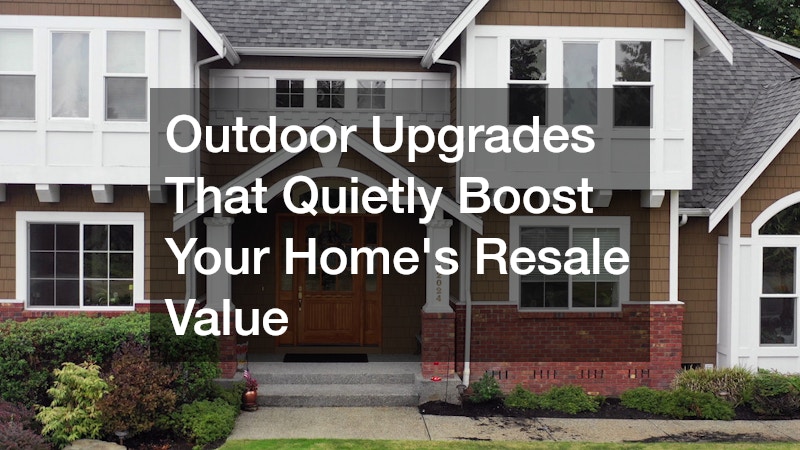

Real estate agents have a phrase for it: curb appeal does the heavy lifting before a buyer ever steps inside. But the outdoor features that most reliably move a sale price aren’t always the ones sellers expect. Flashy additions get attention; understated, well-executed upgrades get offers. Understanding which outdoor investments actually translate into resale value — versus which ones simply look nice in the listing photos — can be the difference between recouping your spend and leaving money on the table.
The Landscaping Calculus Buyers Actually Run
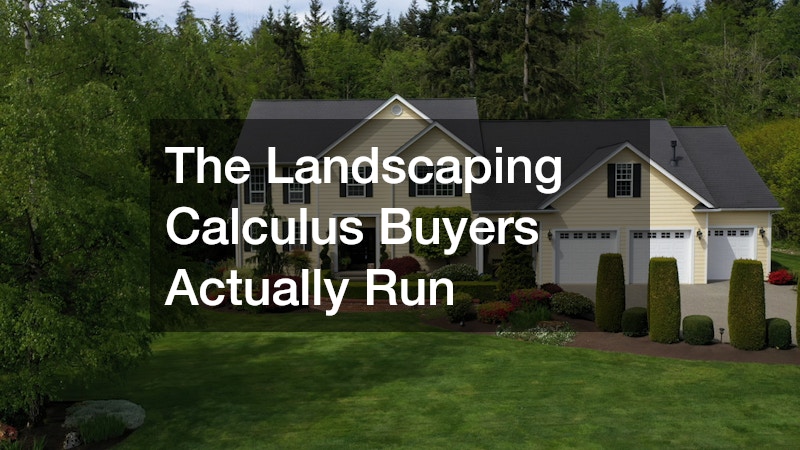
Most buyers can’t articulate exactly why a well-landscaped yard feels more valuable, but the effect is real and measurable. Research from the National Association of Realtors has consistently placed landscaping among the top outdoor improvements for return on investment, with standard projects recovering between 100% and 200% of their cost at resale. What buyers are actually responding to is perceived maintenance burden — they’re asking themselves what this yard will cost them in time and money.
This shifts the calculus significantly. Lush, elaborate gardens can read as liability rather than asset unless the maintenance demands are obviously manageable. Drought-tolerant native plantings, clean edging, and clearly defined lawn borders consistently outperform high-maintenance ornamental plantings in buyer perception. The distinction matters when you’re deciding where to spend.
A useful framework: before investing in any landscaping project, separate improvements into two categories — those that reduce future owner effort (mulched beds, drip irrigation, native ground cover) and those that add visual appeal but increase maintenance demands. Prioritize the first category.
- Replace bare soil beds with 3 inches of hardwood mulch to suppress weeds and signal low-maintenance upkeep to buyers.
- Install a drip irrigation system covering at least 80% of planted areas to remove the most visible maintenance concern for prospective buyers.
- Limit ornamental plantings to species native to your region, which require no supplemental fertilization and survive on average rainfall.
Hard Surfaces Return More Than Soft Ones
Patios, walkways, and driveways occupy a category of their own in resale valuation. Unlike plants, which buyers often mentally replace with something else, hard surfaces feel permanent — buyers price them into the home rather than treating them as optional. A cracked or dated concrete driveway signals deferred maintenance throughout; a clean, well-laid paver surface signals the opposite.
The material choice carries real implications. Poured concrete is the least expensive option and has a place in budget renovations, but sealed concrete driveways often show wear within five to seven years and can look dated quickly. Asphalt costs similarly but requires resealing every three to five years. Natural stone and concrete pavers sit at a higher price point — typically $15 to $30 per square foot installed — but hold their appearance longer and rarely register as a concern during buyer inspections.
For patios specifically, the size-to-condition ratio matters more than the material. A 200-square-foot paver patio in excellent condition consistently outperforms a 400-square-foot cracked concrete pad in buyer response. Buyers mentally apply a discount to anything that needs repair, and that discount almost always exceeds the actual repair cost.
- Pressure-wash all concrete and paver surfaces at least 60 days before listing to allow sealant application time to cure.
- Choose paver colors within two shades of the home’s primary exterior tone to reinforce visual cohesion buyers respond to.
- Repair driveway cracks wider than 1/4 inch before listing — hairline cracks read as surface; wider ones read as structural.
Outdoor Living Structures and the Automation Shift
Covered outdoor structures have moved from luxury to expectation in many market segments. A basic pressure-treated wood pergola can be built for $3,000 to $6,000 installed, while premium aluminum or steel structures with fabric canopies push into the $10,000 to $25,000 range. The question isn’t whether to add one — it’s whether the investment fits the price tier of the home and the expectations of likely buyers.
At the upper end of that range, buyers in certain markets now expect motorized functionality. Automated pergolas represent the current convergence of outdoor living and home automation, and in homes priced above the local median, a louvered pergola with rain sensors and app control can tip a wavering buyer. Below that price tier, the same feature tends to read as a complication rather than an amenity.
Wood pergolas require annual sealing or staining and are susceptible to rot at the post bases — a maintenance reality that sophisticated buyers notice during walkthroughs. Aluminum structures carry a higher upfront cost but are maintenance-free and carry warranties of 10 to 20 years, which is a legitimate selling point worth documenting for buyers.
- Choose a pergola footprint no smaller than 12 by 14 feet — anything smaller reads as decorative rather than functional and generates less buyer interest.
- If adding lighting, hardwire it rather than using battery or solar fixtures, which buyers treat as temporary rather than a permanent feature.
- Request a transferable manufacturer warranty for any prefabricated structure before purchasing — this document has real value at the point of sale.
Fencing, Privacy, and the Risk of Over-Improving
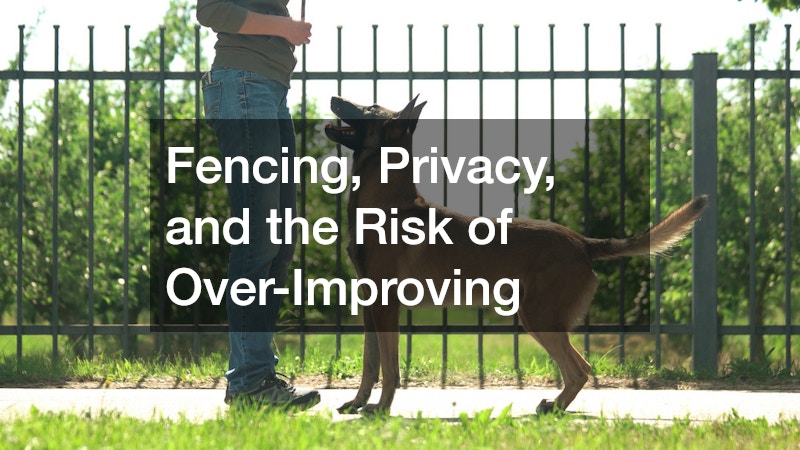
Privacy fencing is among the most common outdoor additions, and also among the most frequently misapplied from a resale standpoint. The error isn’t adding a fence — it’s installing one whose cost outpaces what the neighborhood supports. A $12,000 cedar privacy fence on a $280,000 home returns poorly; the same fence on a $650,000 home often pays for itself.
The style question carries weight, too. Horizontal board fencing has gained significant market traction and photographs better than traditional vertical privacy styles, which influences listing performance. Chain-link, regardless of condition, consistently reduces perceived value among buyers who aren’t specifically seeking it, and wrought-iron or aluminum ornamental fencing often returns more per dollar spent than any wood alternative.
Permit compliance is a practical concern that sellers frequently overlook. Fence installations that exceed local height limits or encroach on setbacks create title complications that can delay or derail closings. Verify permit status before listing — not after a buyer’s attorney flags it.
- Confirm fence height against the local zoning setback before installation, specifically checking whether the height limit applies to the front yard (typically 4 feet) separately from the rear (typically 6 feet).
- Request written documentation from the installer showing permit approval, and store it with the home’s disclosure documents.
- Choose cedar or pressure-treated pine for wood fencing over untreated varieties — the 10-to-15-year lifespan difference is significant enough that buyers notice it during due diligence.
Prioritizing Before the First Showing
The most useful question isn’t which upgrade has the highest theoretical return — it’s which gap, visible to a buyer in the first 60 seconds of arrival, is doing the most damage to perceived value right now. Start there. Walk the perimeter of the home as a stranger would, noting what looks neglected, unfinished, or dated before reaching the front door. Fix those issues first, then layer in additive upgrades if budget allows. A home that reads as cared-for commands more buyer confidence than one that reads as recently renovated but still rough around the edges.