
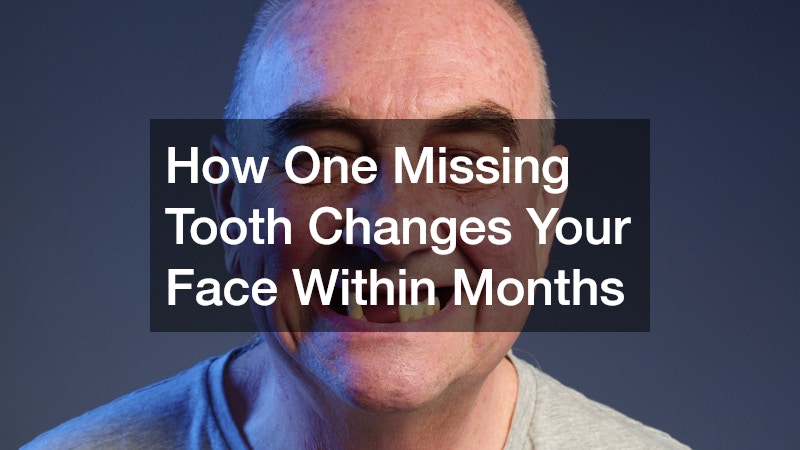

Losing a single tooth might seem like a minor cosmetic issue, something you could simply ignore if it’s not visible when you smile. But your face relies on a full set of teeth for structural support, and the effects of even one gap can show up faster than most people expect. Within just a few months, the bone and soft tissue around the missing tooth begin to change, subtly altering your facial shape and profile.
Understanding why this happens can help you make a smarter decision about replacement options before the changes become harder to reverse.
Why Jawbone Loss Begins Almost Immediately
The jawbone stays strong and dense because chewing forces travel down through the tooth root, stimulating the bone to regenerate. Once a tooth is gone, that stimulation stops, and the body starts reabsorbing the bone in that area because it no longer serves an active purpose. This process, known as resorption, doesn’t wait years to start; measurable bone loss can begin within the first few months after extraction. The longer the gap sits empty, the more bone volume disappears, which is why timing matters so much when deciding on next steps.
Bone loss tends to happen fastest in the initial six months, with the most significant width and height reduction occurring during this window. Research on post-extraction healing consistently shows this early period as the critical stage for intervention. Waiting too long can make future treatments more complicated, since a shrunken jawbone offers less foundation to work with.
How Facial Collapse Changes Your Appearance
As the jawbone shrinks, the surrounding facial structures lose their natural support, causing visible changes that go beyond the smile itself. Cheeks may start to look sunken, the lips can lose fullness, and skin around the mouth often develops extra folds or sagging. These changes happen gradually enough that many people don’t connect them to a missing tooth until someone points out they look older or tired.
The lower third of the face is especially affected when back teeth are missing, since these teeth support the bite height and jaw positioning. Without that support, the jaw can shift forward, or the chin can appear to move closer to the nose, a phenomenon dentists sometimes describe as facial collapse. This isn’t just a cosmetic concern either, since it can also affect speech clarity and chewing efficiency over time.
Warning Signs You Might Notice at Home
You don’t need a mirror and a magnifying glass to catch early signs of facial change after tooth loss. Many people notice subtle shifts in how their clothes or glasses fit around the face, or they see changes in photos taken months apart. Paying attention to these small signals can help you catch the problem early, before the bone loss becomes more severe.
Glasses are often the first tip-off, since they rest on the bridge of the nose and against the cheeks. If your usual pair suddenly feels loose, slides down more than it used to, or leaves different marks on your skin, it may mean the underlying bone structure supporting that area has started to shift.
Scarves, necklaces, or turtlenecks that once fit comfortably may also start to feel different against the jawline or neck. This happens because sagging skin and a shrinking jaw can change the contours those items used to rest against.
Photos are another useful, low-effort way to track changes. Try comparing selfies taken every few months from the same angle and lighting, looking specifically at the cheek near the gap, the corner of the mouth, and the jawline for signs of caving in, drooping, or asymmetry.
Other everyday clues include a whistling sound or slight lisp that wasn’t there before, food frequently getting trapped in the gap, or a slight shift in how your bite feels when chewing. None of these signs alone confirms bone loss, but noticing two or three together is a good reason to schedule a dental checkup sooner rather than later.
- Increased wrinkles or folds around the mouth, especially deep lines running from the nose to the corners of the lips
- A sunken or hollow look in the cheek on the side of the missing tooth, often visible in photos before you notice it in the mirror
- Difficulty chewing evenly, favoring one side of the mouth, which can lead to jaw soreness or fatigue over time
- Teeth nearby starting to shift or tilt into the empty space, sometimes creating small gaps elsewhere in the smile
- A change in bite alignment that feels noticeably different, such as teeth meeting unevenly when you close your mouth
- Subtle drooping at the corner of the mouth on the affected side, making one side of the smile look lower than the other
- Lips that appear thinner or less supported, since the missing tooth no longer holds up surrounding soft tissue
- A jawline that looks slightly shorter or less defined, particularly noticeable in side-profile pictures taken months apart
Steps to Take Right After Losing a Tooth
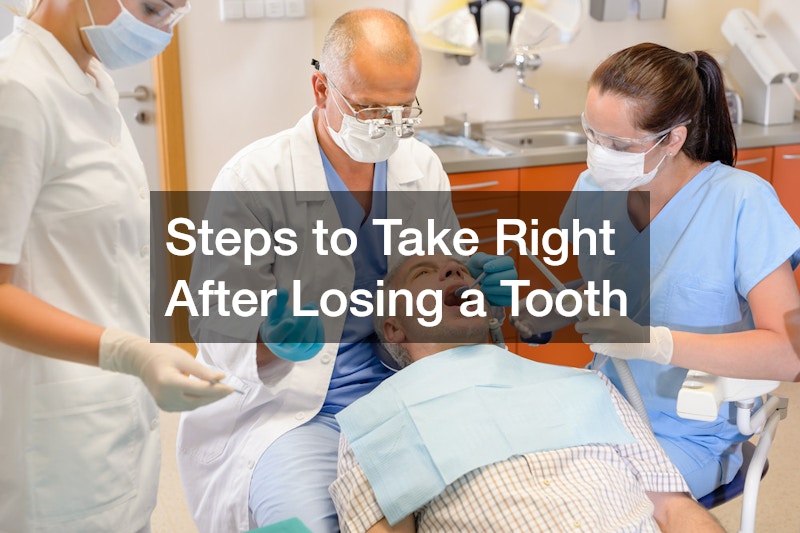
If you’ve recently lost a tooth or need to have one removed, scheduling a visit with a general dentist soon after is one of the most useful things you can do. A general dentist can evaluate the site, check for signs of infection, and discuss timeline-sensitive options like bone grafting or bridges before too much bone loss occurs. Acting within the first few weeks gives you far more flexibility than waiting months.
Tooth extractions themselves are sometimes necessary when a tooth is too damaged or infected to save, and modern extraction techniques are designed to preserve as much of the surrounding bone as possible. Some providers use socket preservation methods immediately after tooth extractions to slow down the resorption process and keep the area healthier for future treatment. Asking about this option upfront can make a real difference in how your face looks and feels months down the road.
Replacement Options That Preserve Facial Structure
Not all tooth replacement methods offer the same level of protection against bone and facial changes. Some options only replace the visible crown of the tooth without addressing the root, which means the jawbone underneath still lacks the stimulation it needs. Others are designed specifically to mimic the function of a natural tooth root, helping to maintain bone density over the long term.
A thorough evaluation of bone health, budget, and long-term goals usually guides which option makes the most sense for a given situation. Periodic X-rays help track whether bone loss is progressing or has stabilized after treatment, since the jawbone can continue to shift even after a replacement is in place. This ongoing attention matters, since facial support isn’t a one-time fix but something that needs to be reassessed over time.
- Dental implants that replace the root and support bone stimulation
- Implant-supported bridges for multiple missing teeth in a row
- Traditional bridges anchored to neighboring teeth
- Removable partial dentures for those seeking a non-surgical option
- Bone grafting combined with any of the above to rebuild lost volume
Conclusion
A single missing tooth can quietly reshape your face faster than most people realize, but the good news is that this process is largely preventable with timely action. The sooner you address a gap, whether through consultation, extraction planning, or a long-term replacement solution, the better your chances of preserving your natural facial structure. Don’t wait for visible changes to prompt a decision; reach out to a dental professional now to explore what option best protects both your smile and your appearance for years to come.