


You spend money on skincare, haircuts, and the perfect outfit, but the accessory you show off most often, your smile, often gets the least attention. It is the first thing people notice in photos, job interviews, and first dates, yet it is easy to treat as an afterthought until something hurts. The good news is that keeping your smile in great shape does not require a total overhaul, just a bit of consistent care and knowing what actually matters. Here is what your smile needs to stay bright, healthy, and worthy of the spotlight it gets every single day.
Daily Habits That Keep Your Smile Photo Ready
The foundation of a great smile is built long before you ever sit in a dentist’s chair. Brushing twice a day and flossing once daily removes the plaque that causes discoloration, bad breath, and cavities, but most people rush through the process or skip steps entirely. Dentists recommend brushing for a full two minutes, covering all surfaces of your teeth, not just the front-facing ones you see in the mirror. The angle and pressure of your brushing matter too. Holding your toothbrush at a 45-degree angle to the gumline and using gentle, circular motions cleans more effectively than aggressive back-and-forth scrubbing, which can wear down enamel and irritate gums over time. An electric toothbrush with a built-in timer can help correct both habits automatically. Flossing is the step most people skip, yet it’s the only way to remove plaque from between teeth where a brush can’t reach. If traditional floss feels awkward, water flossers or floss picks offer an easier alternative that still gets the job done. Rinsing with an antimicrobial or fluoride mouthwash afterward adds another layer of protection against bacteria and early decay. Small adjustments to your daily routine can make a noticeable difference within just a few weeks. Swapping a worn-out toothbrush every three months, drinking water after coffee or wine, and chewing sugar-free gum to stimulate saliva production are all simple habits that add up to a brighter, healthier smile over time.
- Brush for a full two minutes, not just a quick thirty seconds — try splitting your mouth into four zones and spending 30 seconds on each
- Use a soft bristled brush to avoid wearing down enamel and irritating gums, and hold it at a 45-degree angle for the best clean along the gumline
- Floss before bed so food particles and plaque do not sit overnight; if traditional floss feels tricky, water flossers or floss picks work just as well
- Swap your toothbrush every three months, after an illness, or as soon as the bristles start to fray
- Rinse with water after coffee, wine, or acidic foods to reduce staining, but wait about 30 minutes before brushing so you don’t scrub softened enamel
- Consider an alcohol-free mouthwash to freshen breath without drying out your mouth, since dryness can actually accelerate staining and decay
Professional Checkups That Catch Problems Early
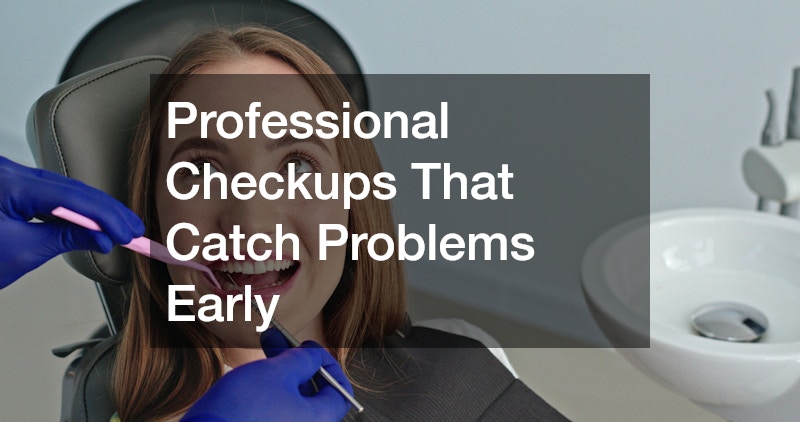
Even the most diligent brushers cannot reach every hidden surface where plaque hardens into tartar. This is where routine dental cleaning becomes essential, since a hygienist can remove buildup that no amount of home brushing will touch. Skipping these visits often means small issues, like a tiny cavity or early gum inflammation, are left to grow into bigger, more expensive problems.
Most people benefit from a professional cleaning every six months, though your specific needs may vary based on your oral health history. Beyond the cleaning itself, these visits give a trained eye the chance to spot warning signs before you feel any pain, which is often how serious dental issues sneak up on people.
Gum Health and Why It Gets Overlooked
Your teeth get most of the attention, but healthy gums are just as important to a great smile. It’s easy to see why they get overlooked: gum disease is often painless in its early stages, so it can progress quietly while you assume everything is fine. Bleeding gums, persistent bad breath, or gums that look red and puffy are early signs of gingivitis, the mildest form of gum disease. Studies suggest nearly half of adults over 30 have some form of gum disease, yet many never receive a diagnosis until it’s noticeably advanced. Other subtle warning signs include gums that appear to be pulling away from the teeth, increased tooth sensitivity, or a change in how your bite feels. Left untreated, gingivitis can progress to periodontitis, a more serious stage that damages the bone and tissue holding teeth in place. This can lead to tooth loss, and research has also linked chronic gum inflammation to broader health issues like heart disease, diabetes complications, and even respiratory problems. Regular dental cleanings, along with daily flossing, are two of the simplest ways to catch and reverse gum problems before they become permanent.
The encouraging part is that early gum disease, known as gingivitis, is very manageable with consistent care and a few lifestyle tweaks. Signs like slight redness, puffiness, or bleeding when you brush are easy to miss because they rarely hurt, which is exactly why gum issues sneak up on people who feel like their oral health is fine. Left unchecked, though, gingivitis can progress into periodontitis, a more serious condition where gums pull away from teeth, bone starts to break down, and treatment becomes far more involved and costly. Catching it early usually means the difference between a simple cleaning and a lengthy course of deep scaling or even surgery. Small habits make a real difference: flossing daily, using an antibacterial mouthwash, and swapping a worn-out toothbrush every three months all help keep bacteria from building up along the gumline. It’s also worth mentioning that smoking, stress, and even certain medications can quietly increase your risk, so it helps to flag these factors to your dentist. Paying attention to your gums the same way you watch for cavities can prevent a lot of discomfort and expense down the road. A twice-yearly dental checkup is often enough to catch problems before they escalate, making it one of the simplest investments you can make in your long-term smile.
- Watch for gums that bleed easily when brushing or flossing — a common early sign of gingivitis, even if it seems minor
- Notice if your breath stays bad even after brushing, since chronic bad breath can signal bacteria buildup below the gumline
- Check for gum recession, which can make teeth look longer over time and expose sensitive root surfaces
- Look for gums that appear puffy, dark red, or tender to the touch, rather than the firm pink tone of healthy gums
- Pay attention to loose or shifting teeth, which can indicate more advanced gum disease affecting the bone underneath
- Avoid tobacco products, which significantly increase gum disease risk and slow healing after any dental treatment
- Schedule routine cleanings every six months, since professional care removes tartar buildup that brushing alone can’t reach
Replacing Missing Teeth Without Losing Your Confidence
Losing a tooth, whether from injury, decay, or age, can affect more than just your appearance. It can change how you chew, how your remaining teeth shift over time, and even how clearly you speak. Modern solutions have made replacing a missing tooth far more comfortable and natural looking than in years past.
A dental implant is often considered one of the most durable and natural feeling options available today, since it is anchored directly into the jawbone rather than resting on the gum line like some removable alternatives. Many people find that once healed, an implant functions and feels remarkably similar to a natural tooth, allowing them to eat and speak with confidence again. It is worth discussing options with a professional early rather than waiting, since gaps left untreated can lead to further shifting and bone loss.
Finding the Right Dental Partner for Long Term Care
Your smile is not a one time project, it is an ongoing relationship with your own health. Establishing a relationship with a provider of general dentistry means you have someone who knows your history, tracks changes over time, and can catch subtle shifts that a new provider might miss. This continuity often leads to better outcomes and less anxiety about visits overall.
- Look for a provider who explains procedures clearly before starting
- Ask about their approach to preventive care, not just treatment
- Check reviews for comments on comfort and communication
- Confirm they offer flexible scheduling for regular visits
- Ensure they welcome your questions without rushing appointments
A great smile is not the result of luck or genetics alone, it is the product of small, consistent choices made over years. Start with your daily routine, stay on top of professional visits, and do not ignore warning signs from your gums or missing teeth. Treat your smile like the valuable accessory it is, and schedule that overdue checkup instead of putting it off another season.