
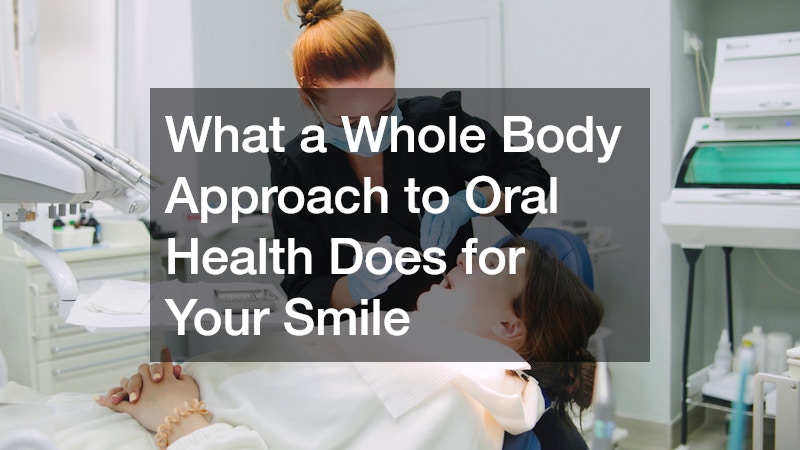

Your mouth is not a separate system walking around attached to the rest of you by coincidence. The bacteria, inflammation, and habits that affect your teeth and gums also ripple outward into your heart, your digestion, your sleep, and even your mood. If you have ever wondered why your dentist asks about your stress levels or your medications, it is because oral health and overall health are deeply connected. Understanding that connection can change how you care for your smile and how you choose the people who help you do it.
How Gum Disease Connects to Heart and Blood Sugar Health
Research has repeatedly linked gum disease to conditions far beyond the mouth, including heart disease, stroke, and diabetes complications. The theory is that chronic inflammation in the gums does not stay contained; it circulates through the bloodstream and can contribute to inflammation elsewhere in the body. People with diabetes, for example, often find that unmanaged gum disease makes blood sugar control more difficult, creating a frustrating cycle.
This is why a whole body approach treats bleeding or swollen gums as more than a cosmetic annoyance. It is a signal worth investigating rather than ignoring until it becomes painful.
- Gum disease has been associated with a higher risk of cardiovascular events
- Diabetics with periodontal disease often have harder-to-control blood sugar
- Pregnant individuals with gum disease may face increased risk of complications
- Chronic oral inflammation can strain the immune system over time
What Your Diet and Digestion Reveal About Oral Health
Digestion technically begins in the mouth, which means the health of your teeth and saliva directly affects how well you break down food. Weak enamel, missing teeth, or chronic dry mouth can make chewing less effective, putting more strain on your stomach and intestines to compensate. Saliva itself plays a protective role, neutralizing acids and washing away food particles before they can feed harmful bacteria.
Nutrient deficiencies can also show up first in the mouth, sometimes appearing as bleeding gums, mouth sores, or slow healing after minor injuries. Paying attention to these signals gives you an early window into broader health issues before they become more serious.
- Low vitamin C or vitamin D can contribute to gum problems
- Chronic dry mouth increases cavity risk and can signal medication side effects or other conditions
- Acidic diets wear down enamel faster than most people realize
- Poor chewing ability can lead to digestive discomfort over time
How Stress and Sleep Show Up in Your Smile
Many people do not realize how much stress affects their teeth until a dentist points out visible wear from grinding. Jaw clenching and teeth grinding, often worse during periods of anxiety or poor sleep, can wear down enamel, cause jaw pain, and even lead to headaches. Sleep quality and oral health are also linked in the other direction, since conditions like sleep apnea are frequently first noticed through dental exams.
Addressing these issues requires looking at the whole picture rather than just the teeth themselves. A mouthguard can protect enamel, but it does not resolve the underlying stress or sleep disorder driving the behavior.
- Teeth grinding often worsens during high-stress periods
- Jaw pain and headaches can be early signs of nighttime clenching
- Sleep apnea is sometimes first identified during a dental exam
- Poor sleep has been linked to higher inflammation throughout the body
Why Holistic Approaches Are Gaining Popularity

More people are seeking out holistic dentistry because it looks at oral care through the lens of the entire body rather than isolating the mouth as a separate concern. This approach often includes conversations about diet, stress, materials used in dental work, and how existing health conditions might influence treatment decisions. It does not mean rejecting modern dentistry; instead, it means combining proven techniques with a broader awareness of how oral health fits into overall wellness.
For someone managing autoimmune conditions, chronic inflammation, or sensitivities to certain materials, this kind of thoughtful, whole person care can make a meaningful difference in comfort and long-term outcomes.
- Discussions about biocompatible materials for fillings or crowns
- Attention to how existing health conditions affect treatment choices
- Emphasis on prevention through diet and lifestyle, not just cleanings
- Consideration of how dental work might interact with the rest of the body
Choosing Everyday Dental Support That Fits Your Life
Consistent care matters more than occasional deep dives into dental research, which is why finding a local dental office you trust is one of the most practical steps you can take. Regular checkups allow small issues to be caught before they turn into bigger, more expensive problems, and a provider who knows your history can spot patterns over time. Convenience matters too, since people are far more likely to keep appointments when the office fits easily into their routine.
When evaluating options nearby, it helps to ask about their philosophy on preventive care and whether they take a broader view of health during exams, not just a quick look at your teeth.
- Ask whether routine visits include screenings beyond cavities, like oral cancer checks
- Look for a provider who explains findings clearly rather than rushing through appointments
- Consider office hours and location relative to your daily schedule
- Check whether they coordinate care with other health providers when needed
Handling Sudden Dental Pain or Trauma
Even with excellent preventive habits, accidents and sudden pain happen, and knowing what to do in the moment matters. Knocked out teeth, severe toothaches, or a broken crown accompanied by sharp pain are situations where waiting for a regular appointment is not realistic. In these cases, having the number for an emergency dentist saved ahead of time can save both the tooth and a lot of unnecessary suffering.
Quick action often makes the difference between a simple fix and a more complicated, costly procedure. Rinsing a knocked out tooth gently, avoiding scrubbing the root, and getting to care within an hour or two can significantly improve the odds of saving it.
- Keep a tooth moist in milk or saliva if it gets knocked out
- Rinse with warm salt water for sudden swelling or pain
- Avoid aspirin directly on gums, which can cause tissue damage
- Seek same-day care for facial swelling paired with fever
Thinking about your smile as part of your whole body, rather than a separate box to check twice a year, opens the door to better decisions and fewer surprises. Pay attention to what your mouth is telling you, ask thoughtful questions at your next appointment, and build a relationship with a dental provider who takes that broader view seriously. Small, consistent steps today can prevent bigger health issues tomorrow, and your smile will reflect that care for years to come.