


For dog owners who love to travel, every trip comes with a built-in question mark: what happens to the dog? Whether it is a weekend getaway or a months-long adventure, balancing wanderlust with a pet’s routine, comfort, and safety takes real planning. The good news is that with the right preparation, you do not have to choose between seeing the world and being a responsible pet parent. This article breaks down the practical steps traveling dog owners take to keep their pets happy while still feeding their own travel habit.
Deciding Whether Your Dog Should Come Along
The first decision every traveling pet owner faces is whether the dog is actually a good fit for the trip. Some dogs thrive in new environments and adapt quickly to hotel rooms, road trips, or plane cabins, while others become anxious or stressed when their routine is disrupted. Age, health, temperament, and the nature of the destination all play a role in this decision. A dog with severe anxiety or mobility issues may be far happier and safer staying in a familiar environment than being dragged across time zones.
It helps to be honest about the purpose of the trip too. A business trip packed with meetings or a hiking expedition with no pet-friendly lodging is a different scenario than a relaxed family road trip. Weighing the itinerary against your dog’s personality often makes the decision clear before you even start researching logistics.
- Consider your dog’s stress tolerance in new or loud environments
- Check whether your destination has pet-friendly transportation and lodging
- Factor in the length of the trip and daily activity level required
- Think about vet access if your dog has ongoing health needs
Choosing Reliable Care When Your Dog Stays Behind
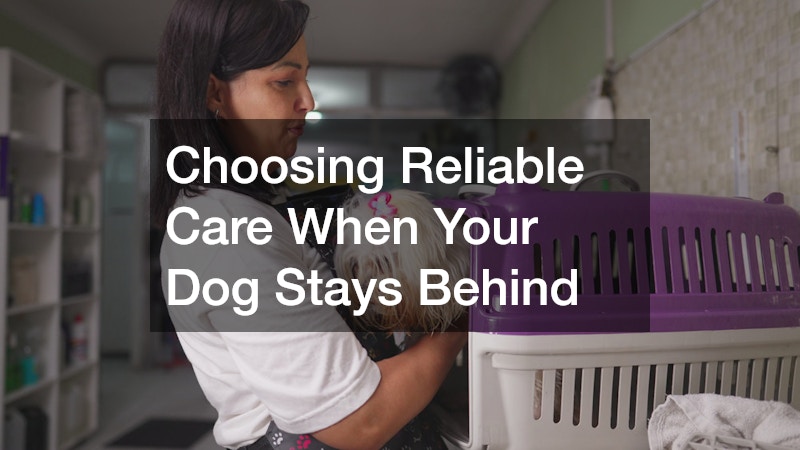
When bringing the dog along is not practical, finding trustworthy care becomes the priority. Many traveling pet owners rely on dog boarding facilities because they offer structured routines, socialization, and supervision that a pet sitter checking in once a day cannot always match. A quality boarding facility should feel less like a kennel and more like a temporary home, with staff trained to handle feeding schedules, medication, and behavioral quirks.
Finding the best dog boarding option for your specific dog often means visiting the facility in person before booking. Owners should ask about staff-to-dog ratios, daily exercise plans, and what happens in an emergency. Reading reviews from other traveling pet owners can also reveal how a facility handles anxious or reactive dogs, which matters more than flashy amenities.
- Tour the facility ahead of time to check cleanliness and safety measures
- Ask about group play versus individual attention options
- Confirm vaccination requirements and health screening policies
- Request references or recent reviews from other clients
Preparing Your Dog for Time Apart
Even the best care arrangement works better when a dog is prepared in advance for separation. Gradually practicing shorter absences before a big trip helps dogs build tolerance and reduces the shock of a sudden change in routine. This is especially important for dogs who have never been left with anyone other than their owner. Start small, with departures of just 10 to 15 minutes, and slowly extend the time apart over several days or weeks. Progressing to a few hours, then an overnight stay with the intended sitter or boarding facility, gives a dog the chance to adjust before facing a week or more alone with someone new. Watching how a dog reacts at each stage—whether it settles quickly or shows signs of stress—helps determine whether more practice is needed. Introducing the caregiver ahead of time makes a meaningful difference, too. A meet-and-greet visit, a walk together, or even a short stay while the owner is still home lets the dog form a positive association before the real separation begins. Sticking to familiar routines during these practice runs, such as the same feeding schedule, walk times, and bedtime habits, also reduces uncertainty. Dogs that already cope well with change may only need minimal preparation, but anxious or older dogs often benefit from a longer runway of practice sessions before an extended trip.
Some owners bring in a dog trainer to work through separation anxiety or basic obedience skills before a trip, particularly if the dog will be staying with a sitter or in a new environment. Starting this process four to six weeks out gives the trainer enough time to identify triggers, whether that’s the sound of luggage zippers or the owner putting on shoes, and to desensitize the dog gradually rather than all at once. A trainer can also help establish cues and routines that make transitions smoother, such as a consistent departure ritual that signals the owner will return. This might be as simple as a specific phrase, a treat-filled puzzle toy, or a particular song played only when leaving, giving the dog a predictable signal rather than an abrupt disappearance. Beyond departure cues, many trainers recommend practice runs: short absences of 15 to 30 minutes that gradually extend to a few hours, so the dog experiences alone time in small, manageable doses before facing a multi-day trip. Some also suggest introducing the sitter or boarding environment ahead of time, letting the dog get comfortable with new smells, sounds, and faces while the owner is still present. This kind of preparation pays off long after the current trip is over, since it builds confidence the dog can carry into future travel situations. A dog that has learned to tolerate short separations calmly is far less likely to develop escalating anxiety with each subsequent trip, which makes every future departure easier for both the dog and the owner.
- Practice short trial separations before a long trip, starting with 10-15 minutes and gradually building to a few hours over several weeks
- Leave familiar bedding or toys with a comforting scent, ideally something with your scent on it like a worn t-shirt
- Establish a consistent departure routine to reduce anxiety, such as a specific phrase or a quick pat before you leave
- Avoid dramatic goodbyes or greetings, which can heighten your dog’s stress around your comings and goings
- Work on basic commands that caregivers can use during your absence, like “sit,” “stay,” and “place”
- Introduce your dog to the caregiver or sitter beforehand so the departure isn’t paired with a stranger
Packing and Planning for Dogs on the Road
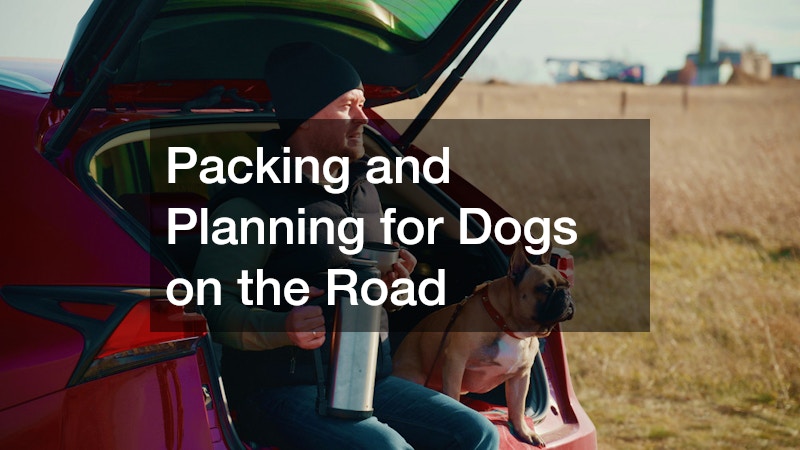
For owners who do bring their dogs along, packing smart makes the difference between a smooth trip and a stressful one. Beyond food and leashes, a well-stocked travel kit should include a familiar blanket or bed, a favorite toy, collapsible water and food bowls, waste bags, any regular medications, and a copy of vaccination records in case a hotel or airline asks for proof. Bringing food from home, rather than buying an unfamiliar brand on the road, also helps prevent stomach upset during a trip that’s already disrupting the dog’s routine. Dogs traveling by car benefit from a secured crate or seatbelt harness, both for safety and to prevent anxious pacing while the vehicle is moving. For flights, checking airline-specific carrier size requirements well in advance avoids last-minute scrambling at the gate, since policies vary widely between carriers and even between domestic and international routes. Planning meal and bathroom breaks around the dog’s natural rhythm, rather than squeezing them into a rigid human schedule, reduces stress for everyone involved. On road trips, stopping every two to three hours for a short walk gives dogs a chance to relieve themselves and burn off nervous energy. Feeding smaller portions before travel, rather than a full meal right before departure, can also help prevent carsickness during longer drives.
Research before departure matters just as much as packing. Knowing which rest stops, parks, or hotels along the route accept dogs prevents last-minute scrambling and keeps the trip on schedule. A little advance work goes a long way here. Apps like BringFido or Google Maps filters can identify pet-friendly hotels, and calling ahead to confirm policies avoids surprises about breed restrictions, size limits, or added pet fees, which can range anywhere from $25 to $150 per stay. Mapping out rest stops every two to three hours also gives dogs a chance to stretch, relieve themselves, and burn off nervous energy from long stretches in the car. Many state highway websites list dog-friendly rest areas with fenced spaces or walking trails, which is worth checking before setting out. It also helps to have a backup plan. Not every location will pan out as expected, so identifying two or three alternative hotels or parks near each overnight stop protects against overbooked rooms or closed facilities without derailing the day’s itinerary.
- Pack a travel bowl, a few days’ worth of familiar food, and any medications with clear dosing instructions
- Bring a favorite blanket or toy to ease anxiety in new spaces and add a sense of home
- Research pet-friendly stops, rest areas, and lodging before hitting the road, including size or breed restrictions
- Carry updated ID tags, a recent photo, and proof of microchip registration in case of separation
- Stock a basic first-aid kit with gauze, tick tweezers, and any vet-recommended supplies
- Map out veterinary clinics along your route in case of emergencies
- Bring copies of vaccination records, especially for crossing state or international borders
Maintaining Routine and Health Away From Home
Dogs are creatures of habit, and travel can easily throw off feeding times, exercise, and sleep schedules. Sticking as closely as possible to a normal routine, even in a new location, helps prevent digestive upset and behavioral issues. This might mean scheduling walks around the same times as at home or bringing along the dog’s usual food to avoid stomach problems from a sudden diet change.
Health monitoring should not take a back seat just because you are away from home. Owners should know the location of the nearest emergency vet clinic at any destination and keep vaccination records accessible in case a boarding facility, groomer, or new vet needs them. Small proactive steps like these prevent minor issues from becoming major disruptions to the trip.
- Stick to regular feeding and walking times as closely as possible
- Bring enough of your dog’s usual food to avoid sudden diet changes
- Locate the nearest emergency vet before you need one
- Keep digital copies of vaccination and medical records on your phone
Balancing a love of travel with a dog’s wellbeing does not require giving up either one. With thoughtful planning, honest assessment of your dog’s needs, and reliable support systems in place, both you and your pet can enjoy more relaxed, successful trips. Start by evaluating your next trip against your dog’s personality and needs, then build your care plan around whichever option, staying home or coming along, fits best.