
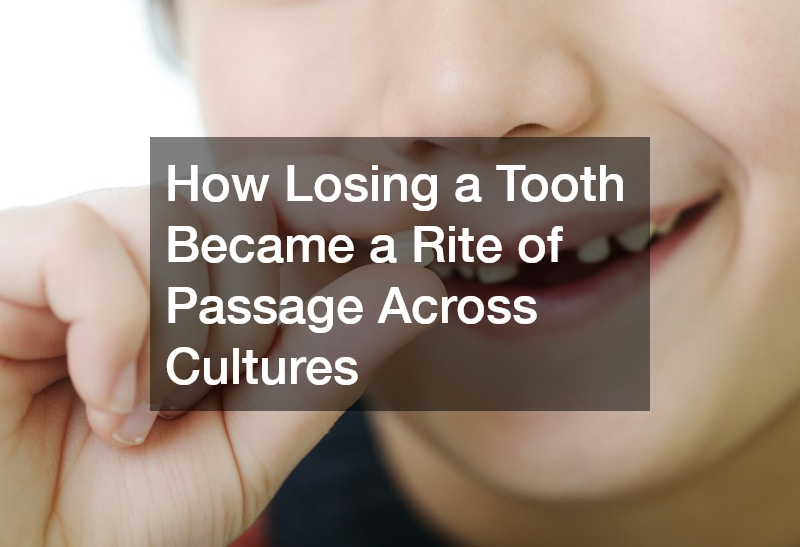

A wobbly tooth is one of the first big milestones a child notices happening to their own body, and parents often find themselves searching for ways to make the moment feel special rather than scary. Long before modern dentistry explained the biology of shedding baby teeth, cultures around the world had already built rituals, folklore, and family traditions around this exact experience. Understanding where these customs came from can help today’s parents connect with a tradition that spans centuries and continents, while also knowing when a loose tooth is simply a normal part of growing up versus something worth a professional look. This article traces the history and meaning behind tooth-loss traditions and offers practical guidance for handling the process with confidence.
The Biological Milestone Behind the Tradition
Every child loses roughly twenty primary teeth between the ages of about five and twelve, a process that makes room for permanent adult teeth to settle into place. Because this happens to virtually every person on earth, it is one of the few universal physical milestones that cultures could build shared meaning around. The predictability of the timeline, starting with the lower front teeth and moving outward, gave early communities a natural framework for marking growth and change. This shared biological experience is likely why so many unrelated societies independently developed their own small ceremonies around it.
Because losing teeth is so consistent across populations, it became an easy marker for measuring a child’s development alongside height and first words. Parents and elders could point to a missing tooth as visible proof that a child was moving toward middle childhood. That visibility made it a natural subject for storytelling, superstition, and eventually organized cultural practice.
Folklore Figures Who Collect Baby Teeth
Many cultures created a character whose job is to visit children and take their lost teeth away, often leaving something behind in exchange. In the United States, Canada, and parts of Western Europe, this is the Tooth Fairy, a gentle nighttime visitor who trades teeth for small gifts or coins. In much of Latin America and Spain, a mouse named Ratoncito Perez or El Raton performs the same role, sneaking in after dark to collect teeth from under pillows. These figures share a common purpose even though their forms differ wildly from country to country.
The exchange itself is often the most meaningful part of the ritual, since it reframes a slightly unsettling bodily change into something worth celebrating. Children learn to expect a reward, which softens any anxiety about bleeding gums or a strange gap in their smile. Over generations, these folklore figures have been reinforced through books, cartoons, and family retellings, keeping the tradition alive even as medical understanding of dental development has advanced.
Throwing, Burying, and Other Physical Rituals
Not every culture relies on a visiting character; many instead focus on what should physically be done with the tooth itself. In parts of East Asia, including Korea, Japan, and Vietnam, children traditionally throw their upper baby teeth onto the roof and their lower teeth under the floor or into a yard, often while making a wish for straight adult teeth to grow in. Some Middle Eastern and African communities bury the tooth facing the sun, symbolically asking for a strong replacement. These rituals are less about receiving a gift and more about actively participating in the transition from childhood to a new stage.
- Throwing the tooth toward the sun or roof, common in several Asian traditions
- Burying the tooth near the home, practiced in parts of Africa and the Middle East
- Feeding the tooth to an animal, historically done in parts of Scandinavia
- Saving the tooth in a keepsake box, a more modern Western adaptation
What Modern Families Should Watch For
While most tooth loss is completely normal, parents researching the topic often want reassurance about what falls within the range of typical development. A tooth that becomes loose gradually and falls out with mild bleeding is expected, but a tooth that is knocked out suddenly from an injury, or one that seems loose far earlier than age five, is worth mentioning to a professional. Regular checkups with dentists during childhood help track whether permanent teeth are coming in at the right angle and pace, catching crowding or spacing issues before they become bigger problems. These visits also give parents a chance to ask questions about oral hygiene habits as baby teeth give way to adult ones.
It also helps to know that not every dental milestone in childhood is about baby teeth falling out naturally. Some children develop extra teeth, delayed eruption, or discomfort that needs an evaluation rather than a wait-and-see approach. Keeping a simple log of which teeth have fallen out and when can make these conversations with a provider much faster and more productive.
How the Tradition Connects to Later Dental Milestones
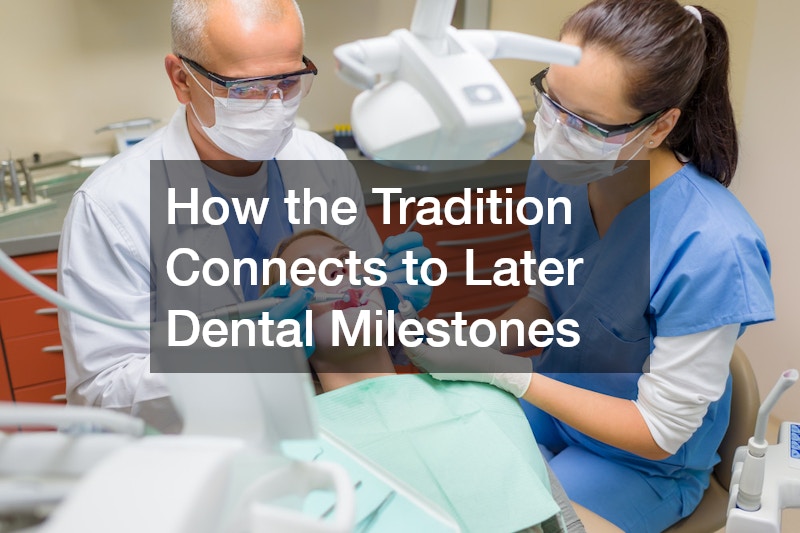
The rite of passage around baby teeth is often just the first of several dental milestones a person experiences throughout life. Between ages 6 and 12, kids lose their primary teeth one by one, but that steady rhythm eventually gives way to a very different kind of dental event in the teenage years. Wisdom tooth removal, typically performed between ages 17 and 25, becomes necessary when these third molars are impacted, crowded, or growing in at awkward angles that threaten neighboring teeth. This later procedure marks a stark transition from childhood dental folklore into the realities of adult dental care. Where losing a baby tooth is framed as exciting — worthy of a pillow ritual, a small gift, or a family story — wisdom tooth removal usually involves X-rays, a consultation with an oral surgeon, and possibly sedation. Instead of anticipation, teens and young adults often feel a mix of nervousness beforehand and relief once the swelling and soreness finally subside. The financial and logistical differences are just as telling. A visit from the tooth fairy might involve a few dollars tucked under a pillow, while wisdom tooth extraction can cost several hundred to a few thousand dollars depending on complexity and insurance coverage. Recovery also demands real planning, including soft foods, missed school or work days, and follow-up care that a six-year-old losing a tooth never has to think about. Recognizing this progression helps families see tooth loss not as a single event but as a lifelong thread connecting early childhood wonder to adult dental maintenance. Each milestone, from that first wiggly tooth to a wisdom tooth extraction and eventually routine dental checkups, reflects a different stage of how we understand and care for our bodies.
The rite of passage that begins in childhood doesn’t end when the last baby tooth falls out. Many adults experience tooth loss decades later, whether from an accident, untreated decay, gum disease, or the natural wear that comes with aging. According to dental health surveys, roughly one in five adults over 65 has lost all of their natural teeth, making replacement a common milestone rather than a rare exception. When that happens, restoring a smile often involves partial or full dentures, crowns, or implant-supported bridges, each custom-made by a denture lab to fit the unique contours of a patient’s mouth. These labs work closely with dentists to craft replacements that not only look natural but also restore the ability to chew, speak, and smile with confidence. The process can take several visits, but the end goal mirrors what parents once did with a lost baby tooth: turning a moment of loss into a moment of renewal. It’s a reminder that the emotional weight we place on teeth doesn’t disappear with age, even if the rituals around it do. Losing a tooth as a child might mean a coin under the pillow, while losing one as an adult might mean a conversation about implants or dentures, but both moments carry a sense of transition. The wonder of the tooth fairy may fade, but the significance of a healthy, functional smile remains constant throughout a person’s life.
From folklore mice to rooftop tosses to modern keepsake boxes, the world’s tooth-loss traditions reveal just how universally meaningful this small biological event has always been. Whether your family chooses to lean into these customs or simply wants reassurance that everything is progressing normally, staying informed makes the experience easier for both parents and kids. If a tooth seems loose too early, an injury causes sudden loss, or you have questions about your child’s developing smile, scheduling a visit with a trusted dental professional is always a smart next step.