
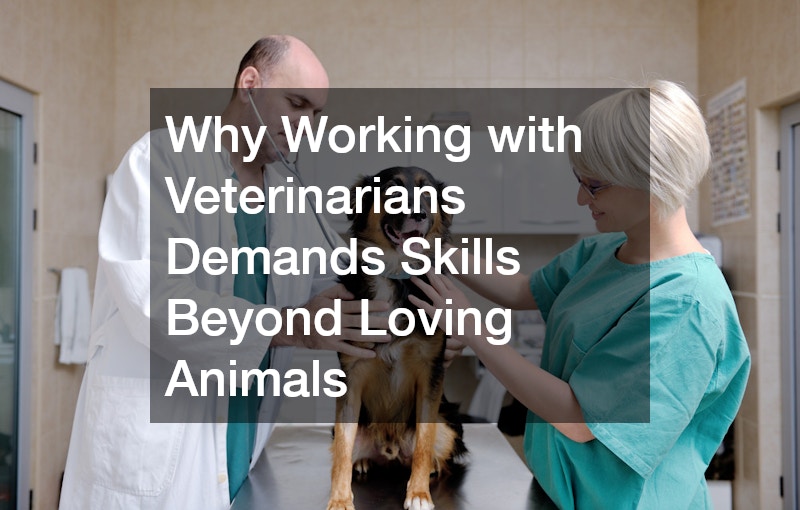

When your pet gets sick, you’re not just looking for someone who loves animals. You need a professional who can communicate clearly, make sound judgment calls under pressure, and guide you through decisions that affect a family member who can’t speak for themselves. Understanding what actually makes a good animal care provider can help you choose wisely and know what to expect from every visit. This article breaks down the real skills behind quality animal healthcare, beyond the obvious affection for furry patients.
Reading Symptoms in Patients Who Cannot Speak
Diagnosing a human patient is hard enough when they can describe their pain. Diagnosing an animal requires piecing together subtle physical cues, behavioral changes, and incomplete information from an owner who may not have noticed anything unusual until symptoms became serious. This demands sharp observational skills, pattern recognition built over years of training, and the ability to ask the right questions to fill in gaps a pet cannot explain.
Veterinarians train extensively in comparative medicine because no two species present illness the same way. A limp in a cat might mean something entirely different than the same limp in a dog or a rabbit. That breadth of clinical knowledge is what separates a rushed guess from an accurate diagnosis.
- Recognizing subtle behavioral shifts like reduced appetite or hiding
- Interpreting body language across dramatically different species
- Cross-referencing symptoms with breed-specific health tendencies
- Piecing together a timeline from an owner’s incomplete observations
Communicating Hard News to Worried Pet Owners
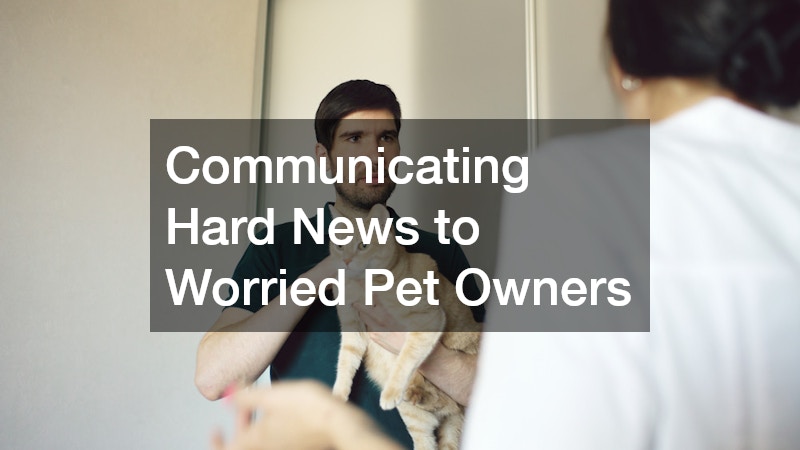
Delivering a difficult diagnosis or discussing end-of-life decisions requires genuine emotional intelligence. A skilled animal doctor has to balance honesty with compassion, giving owners the full picture without overwhelming them at a moment when they’re already scared. This is a skill set closer to counseling than most people realize.
Clear communication also matters in everyday visits, not just crisis moments. Explaining a treatment plan, medication schedule, or dietary change in a way an anxious pet owner can actually absorb and follow through on is its own kind of expertise. Miscommunication at this stage often leads to poor outcomes simply because instructions weren’t understood.
- Explaining diagnoses in plain, jargon-free language
- Checking that owners understand next steps before they leave
- Offering realistic expectations rather than false reassurance
- Being available to answer follow-up questions after the visit
Staying Composed During Sudden Medical Crises
Some of the most demanding moments in animal medicine happen without warning, when a pet arrives in critical condition and decisions must be made within minutes. This is where emergency vet clinics play such a vital role, since their staff are trained specifically to triage, stabilize, and act fast under intense pressure. Working in that kind of environment requires calm decision-making, steady hands, and the ability to prioritize multiple urgent tasks at once.
The staff at these facilities also need strong teamwork skills, since emergencies rarely involve just one person. Technicians, doctors, and support staff have to coordinate seamlessly, often with a frightened owner watching nearby. That combination of technical skill and grace under stress is what makes emergency animal medicine such a specialized field.
- Rapid triage to identify the most life-threatening issues first
- Clear division of roles among the medical team during a crisis
- Calm, direct communication with panicked owners
- Quick, confident decision-making with limited information
Running a Practice That Clients Can Trust
Behind every successful animal hospital is a level of operational skill that has nothing to do with medicine directly. Scheduling, record-keeping, inventory management, and staff coordination all affect whether a practice can actually deliver good care consistently. A brilliant diagnostician surrounded by chaos and disorganization will still struggle to serve patients well. Consider what happens when appointment slots are mismanaged: a 15-minute wellness check gets double-booked against a 45-minute surgical consult, and suddenly the whole day’s schedule collapses, leaving anxious pets and frustrated owners sitting in the waiting room. Multiply that by dozens of appointments a day, and small scheduling errors compound into real damage to a clinic’s reputation. The same is true for record-keeping — a missed vaccination history or an overlooked drug allergy noted incorrectly in a chart isn’t just an administrative slip, it’s a potential safety risk. Inventory management carries similar weight. Running out of a critical antibiotic or anesthesia agent mid-week can delay treatment for sick animals, while overstocking perishable medications wastes money and increases the odds of using expired product. Staff coordination ties all of this together: front-desk employees, veterinary technicians, and veterinarians need to communicate seamlessly so that nothing — a lab result, a follow-up call, a boarding pickup time — falls through the cracks. None of these systems require a veterinary degree to manage, but they require discipline, foresight, and often technology most pet owners never see, from practice-management software to standardized checklists. Clients may never notice when these systems work well, but they notice immediately when they don’t.
Many well-regarded veterinary clinics invest heavily in systems that reduce wait times, keep medical records accurate, and make it easy for clients to reach someone with a question. This means scheduling software that flags overbooked slots, digital charts that sync test results across providers, and phone protocols that ensure a worried pet owner isn’t left on hold during an emergency. These operational choices also cover how prescriptions get refilled, how lab results get communicated, and how billing questions get resolved without confusion or delay. A clinic that answers messages within a few hours, rather than a few days, sends a clear signal about how much it values the client’s peace of mind. This operational discipline is often invisible to pet owners until something goes wrong, but it directly shapes the quality and consistency of the experience they receive. A missed follow-up call or a lost record can undo months of goodwill built through excellent medical care, which is why the best practices treat administrative reliability as seriously as clinical skill.
- Efficient appointment scheduling that limits wait times to 10-15 minutes, with online booking and automated reminders to cut no-shows
- Accurate, accessible medical records for every patient, including vaccination history, allergies, and past treatments available across visits and providers
- Clear billing practices with upfront cost estimates before procedures and no surprise charges on the final invoice
- Itemized receipts explaining exactly what each fee covers, from exam fees to medication markups
- Responsive front desk and phone support for follow-up questions, with same-day callbacks for urgent concerns
- Multiple contact options, such as email, text, or a client portal, for non-urgent questions between visits
Building Long-Term Relationships With Animals and Families
Good animal care rarely happens in a single visit. It develops over years of repeat interactions, where a provider gets to know a pet’s history, temperament, and quirks well enough to catch changes early. This kind of continuity requires patience, consistency, and genuine interest in the whole family, not just the immediate complaint.
Trust also grows through small, consistent behaviors, remembering a pet’s name, following up after a procedure, or noticing when an owner seems more anxious than usual. These relational skills are what turn a routine checkup into a lasting partnership that benefits the animal’s health over its entire lifetime.
- Remembering a pet’s medical history and personality quirks
- Following up proactively after surgeries or major treatments
- Building rapport with anxious or first-time pet owners
- Treating each visit as part of a long-term care relationship
Choosing the right provider for your pet means looking past a friendly smile and genuine affection for animals, though those things matter too. The best care comes from a combination of sharp diagnostic thinking, honest communication, calm crisis management, and solid organizational systems working together. Next time you’re evaluating a provider, ask about their communication style, their emergency protocols, and how they handle ongoing care, not just their love of animals. That fuller picture will help you find a partner you can trust for years to come.