
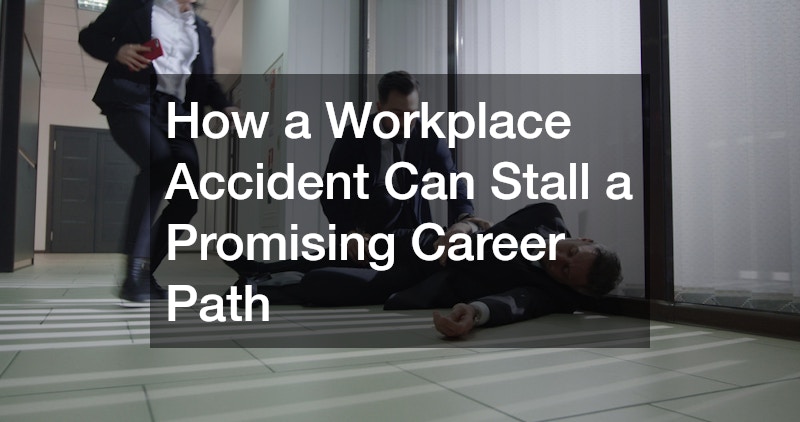

One moment on the job site, in the warehouse, or at an office desk can change everything. A sudden fall, a repetitive strain injury, or a collision while driving for work can leave you physically limited, mentally shaken, and financially uncertain right when your career was gaining momentum. Understanding how these setbacks unfold, and what options exist for recovery, can help you protect both your health and your professional future. This article walks through the real ways a workplace accident can derail career progress and what steps can help you regain your footing.
The Physical Toll That Interrupts Daily Work
A workplace injury rarely stays confined to the moment it happens. Depending on the severity, it can limit mobility, strength, or stamina for weeks, months, or even permanently, making it difficult to perform tasks that once felt routine. Employees recovering from surgery or physical therapy often find themselves unable to keep pace with deadlines or physical demands they previously handled with ease.
This slowdown can affect performance reviews, project assignments, and how supervisors perceive reliability, even when the injury was entirely outside the employee’s control. The longer recovery takes, the more likely it is that career momentum built over years starts to slip.
- Reduced ability to lift, stand, or move for extended periods
- Chronic pain that affects focus and productivity
- Missed training sessions or certifications tied to physical requirements
- Slower task completion that affects performance metrics
- Increased fatigue from managing pain alongside work duties
Missed Opportunities for Advancement and Visibility

Promotions often depend on consistent visibility, leadership on projects, and the ability to take on new responsibilities. An employee sidelined by injury may miss key meetings, high-profile assignments, or networking moments that would have otherwise built their case for advancement. Even a short absence can mean someone else steps into a role or project that was originally earmarked for the injured worker.
Beyond the missed chances, there is also the psychological effect of watching peers move forward while recovery keeps you on the sidelines. This can create frustration and self-doubt that lingers long after physical healing is complete, sometimes shaping how confidently a person pursues future opportunities.
Financial Strain That Follows an Extended Recovery
Medical bills, reduced work hours, and potential job loss can quickly add financial pressure on top of physical recovery. Even with insurance, out-of-pocket costs for surgery, physical therapy, medication, and follow-up appointments can add up to thousands of dollars within just a few months. Many workers underestimate how expensive an extended absence can become, especially when disability benefits fail to cover the full income they were earning before the accident—most programs replace only 60% to 70% of regular wages, leaving a noticeable gap in monthly budgets. That gap often forces difficult decisions, like dipping into savings, relying on credit cards, or delaying other bills such as rent, car payments, or childcare costs. For workers who were on a clear promotion track, this financial squeeze can be especially frustrating, since the raise or bonus they were counting on may now be delayed indefinitely. Some also lose access to employer-sponsored benefits like retirement contributions or health coverage if their leave extends too long. This financial stress can push people back to work before they are truly ready, risking further injury or slower healing. In some cases, employees return to modified duty at reduced pay, only to aggravate their injury and restart the recovery clock. Understanding available resources, such as workers’ compensation, short-term disability, or employer assistance programs, can help ease this pressure and prevent a rushed, premature return to the job.
Beyond lost wages, extended recovery periods often bring mounting medical bills, ongoing physical therapy costs, and everyday expenses that don’t pause just because a paycheck has slowed or stopped. For many workers, savings can be depleted within a few months, forcing difficult tradeoffs between rent, groceries, and follow-up care. Pursuing a personal injury claim can sometimes help offset these costs, particularly when the accident involved negligence beyond typical workplace risk, such as faulty equipment, inadequate safety training, or unsafe conditions caused by a third party. Unlike standard workers’ compensation, a personal injury claim may allow for recovery of non-economic damages like pain and suffering, which can make a meaningful difference during a prolonged absence from work. It’s also worth considering how long-term disability insurance, short-term benefits, or employer-sponsored assistance programs might factor into the bigger financial picture. Consulting with a knowledgeable attorney early on can clarify which combination of these options applies to a specific situation, rather than assuming compensation from one source rules out another. Understanding your financial options early can prevent decisions made out of desperation rather than sound judgment. Taking the time to map out realistic timelines for both recovery and income can make the difference between a temporary setback and a lasting derailment of career momentum.
- Lost wages from reduced hours, unpaid leave, or a switch to disability pay that typically covers only 60-70% of normal income
- Ongoing costs for physical therapy, medication, and follow-up specialist visits, even after insurance reimbursements
- Potential loss of employer-sponsored benefits, including health insurance premiums that may shift entirely onto the employee
- Reduced retirement contributions during time off, plus the loss of any employer matching that would have compounded over time
- Costs associated with retraining or certification for a different role if the original job is no longer physically possible
- Added household expenses, such as childcare or transportation, that arise when an injury limits daily mobility
Mental Health Challenges That Accompany Physical Recovery
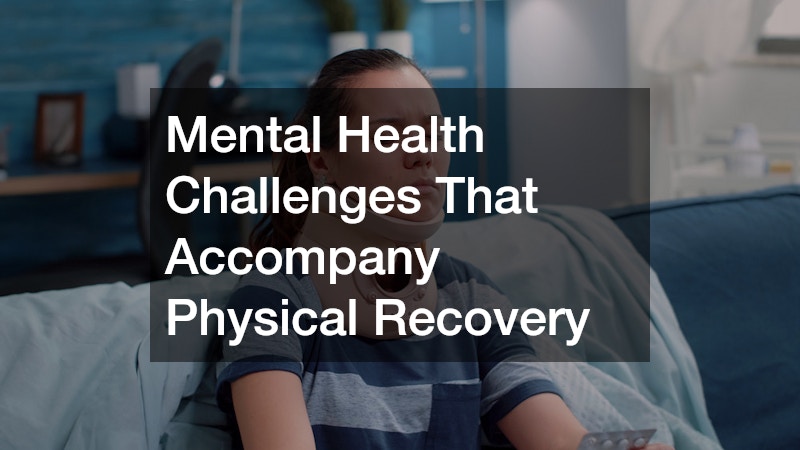
The emotional impact of a workplace accident is often underestimated. Anxiety about returning to the same environment, fear of re-injury, or frustration over lost progress can affect motivation and confidence at work. Some employees develop symptoms of depression or post-traumatic stress, particularly after severe accidents involving machinery, falls, or vehicle collisions.
Addressing mental health alongside physical recovery is essential for a full return to career stability. Employers and coworkers may not always recognize these struggles, which makes open communication and professional support especially important during this period.
- Increased anxiety about performing previous job duties
- Difficulty concentrating due to stress or trauma
- Withdrawal from team collaboration or communication
- Reduced confidence in decision-making abilities
- Sleep disturbances that affect daily performance
Legal Steps That Can Protect Your Career and Income
When a workplace accident results from unsafe conditions, defective equipment, or another party’s negligence, understanding your legal rights becomes an important part of protecting your career trajectory. A personal injury attorney can help evaluate whether your situation extends beyond standard workers compensation, especially if a third party contributed to the accident. This distinction matters because it can open the door to additional compensation that supports both immediate recovery and long-term career planning.
Consulting with personal injury lawyers early in the process can also help clarify deadlines, required documentation, and the types of evidence that strengthen a claim. Many workers are unaware of how quickly certain filing windows close, which is why timely legal guidance often makes a meaningful difference in the outcome.
- Documentation of medical treatment and diagnosis
- Evidence showing negligence or unsafe conditions
- Witness statements from coworkers or bystanders
- Records of lost wages and reduced earning capacity
- Guidance on deadlines specific to your state
A workplace accident does not have to permanently derail a career, but the path back to stability requires attention to physical healing, mental health, finances, and sometimes legal action. Taking these challenges seriously and seeking the right support early can make recovery smoother and protect the progress you worked hard to build. If your situation involves negligence or unsafe conditions, exploring your legal options sooner rather than later can help safeguard both your health and your professional future.