
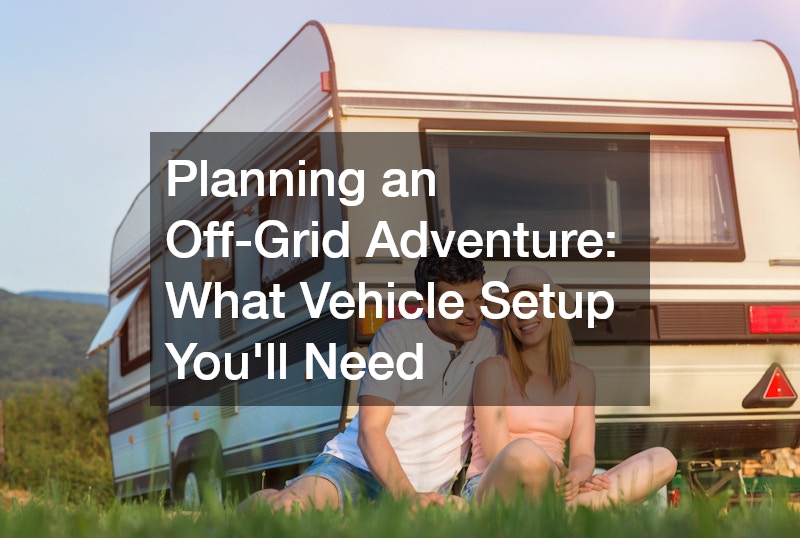

Heading off the grid for a weekend or a full season promises quiet campsites, star-filled skies, and freedom from crowded parks. But none of that happens if your vehicle isn’t actually ready for the terrain, distance, and self-sufficiency that off-grid travel demands. Before you load up coolers and camp chairs, it pays to think through the mechanical, structural, and comfort upgrades that turn an ordinary vehicle into a dependable base camp on wheels. This guide walks through the practical setup decisions that matter most, so you can plan with confidence instead of guessing.
Start With a Full Mechanical Inspection
Off-grid routes often mean miles of gravel, washboard roads, and steep grades with no cell signal and no help nearby, so your vehicle needs to be mechanically sound before you ever leave pavement. A thorough pre-trip inspection should cover fluids, belts, hoses, filters, and anything that shows early wear. Skipping this step is how small problems turn into stranded-in-the-backcountry emergencies.
A fresh oil change is one of the simplest yet most important things you can do before a long trip, especially if you’re towing weight or driving in dusty, high-heat conditions that break down oil faster. Clean oil protects your engine during the extended idling, low-speed crawling, and elevation changes that off-grid driving often requires. If you’re not sure when your last service was done, get it checked before departure rather than guessing at the mileage.
Upgrade Your Braking System for Rough Terrain
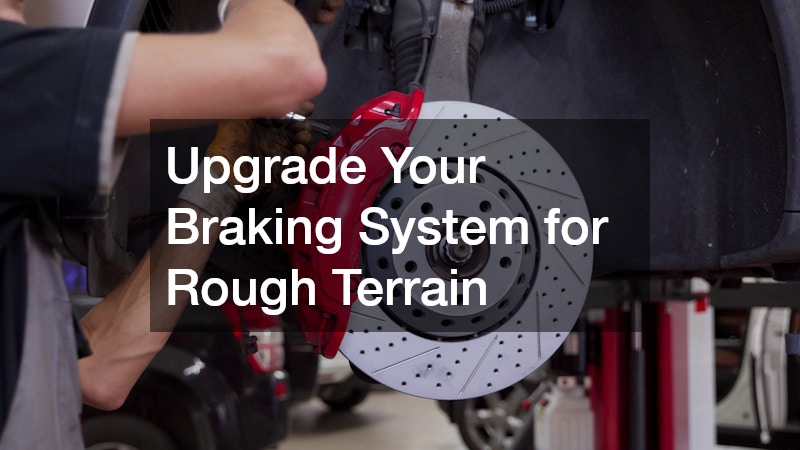
Steep descents, loose gravel, and added cargo weight all put extra strain on your brakes, and worn pads or warped rotors are far more dangerous miles from pavement than they are in town. Before any serious trip, have your brakes inspected for pad thickness, fluid condition, and rotor wear. Off-grid travel often involves longer, sustained braking on descents, which generates more heat and accelerates wear compared to typical city driving. Consider upgrading to heavy-duty or ceramic pads rated for high-temperature performance, since standard pads can start to fade after just a few minutes of continuous mountain braking. Slotted or drilled rotors help dissipate heat faster and shed mud, water, and debris that accumulate on unpaved routes. If you’re regularly hauling a loaded trailer or rooftop cargo, upgrading to larger rotors or adding an auxiliary trailer brake controller can significantly cut stopping distances. Brake fluid deserves attention too. Fluid absorbs moisture over time, lowering its boiling point and increasing the risk of brake fade on long descents; a DOT 4 fluid with a higher boiling point is a worthwhile swap for off-road-focused rigs. Finally, practice proper technique by downshifting to use engine braking on long grades, which reduces the load on your brake system and keeps components cooler when you need them most.
Scheduling brake repair before departure, rather than after you notice a problem on the trail, gives you a safety margin you cannot get back once you’re deep in remote terrain. Off-road driving punishes brakes harder than daily commuting: descending steep grades, crossing water, and grinding through sand or mud all generate extra heat and grit that accelerate wear on pads, rotors, and calipers. A pre-trip inspection lets a mechanic catch thinning pads, warped rotors, or spongy brake lines while there’s still time to order parts and fix them properly. Ask your mechanic to also flush and replace old brake fluid, since fluid absorbs moisture over time and that water content can cause fade under the sustained braking that mountain or canyon trails demand. If you’re running larger tires or a lifted suspension, mention it specifically, since altered geometry and added weight change stopping distances and may call for upgraded pads or bigger rotors. Mechanics can also check your parking brake and trailer brake controller if you’re towing, since both become more important on uneven ground. A parking brake that barely holds on pavement can fail outright on a slope, so have it tested on an incline if possible. For towing setups, confirm the trailer brake controller’s gain settings are calibrated to your actual load, not just factory defaults, since an undersized response on washboard roads or loose gravel can add many extra feet to your stopping distance.
- Have pads and rotors inspected within a few weeks of a major trip, and replace pads with less than 25% life left before heading out
- Consider upgrading to heavy-duty or off-road-rated pads if you’ll be hauling extra weight or descending steep grades often
- Ask about brake fluid flushes if it has been over two years, since moisture buildup lowers the boiling point and can cause fade on long descents
- Check rotor thickness against manufacturer specs, as warped or thin rotors are common after repeated hard braking on washboard roads
- Test your trailer brake controller before towing on mountain roads, adjusting gain so the trailer brakes engage smoothly without lockup
- Inspect brake lines and hoses for cracking or rubbing, especially if you’ve added a lift kit that changes suspension travel
- Listen for grinding or squealing before, not during, a remote descent, and address any pulling or soft pedal feel immediately
Protect Your Visibility With Glass and Windshield Care
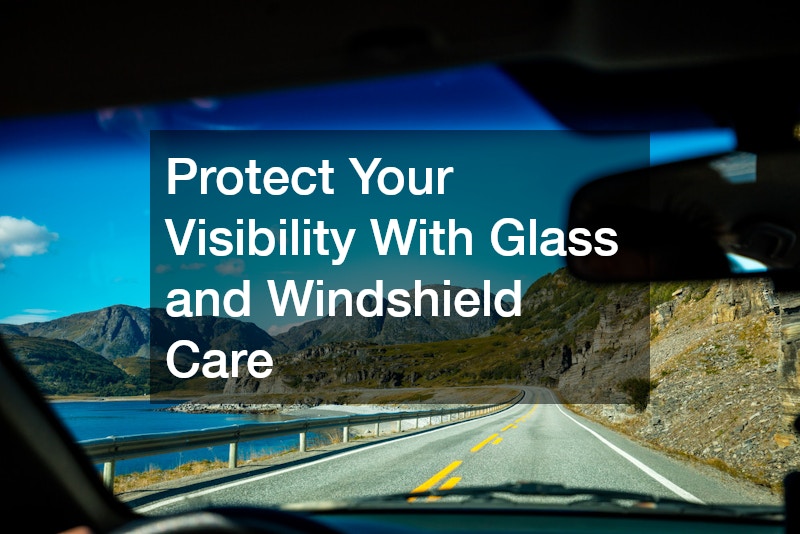
Gravel roads kick up rocks constantly, and a small chip that seems harmless on day one can spread into a crack by day three, especially with temperature swings between hot days and cold desert nights. Getting ahead of this means checking your windshield for existing damage before you leave and addressing anything you find right away. A cracked windshield isn’t just an eyesore; it can compromise the structural support your roof relies on in a rollover.
Minor chips are often fixable with prompt windshield repair, which is far cheaper and faster than a full replacement once a crack spreads across the glass. For deeper cracks or damage near the edges, auto glass repair specialists can advise whether a patch will hold or whether the whole windshield needs replacing before you hit rough roads. Bringing a small glass repair kit along is a smart backup for minor chips picked up mid-trip.
- Inspect the windshield closely in direct sunlight before departure
- Address small chips immediately rather than waiting
- Keep a repair kit in your glovebox for trailside touch-ups
- Avoid parking under trees or in direct blazing sun with existing cracks
Choose the Right Storage and Bed Setup
Off-grid trips mean packing recovery gear, extra fuel, water containers, tools, and camping equipment, and a disorganized truck bed turns simple tasks into frustrating searches. Thinking through your storage setup before you go saves time and prevents gear from shifting or getting damaged on rough roads. This is also where thoughtful truck accessories make a real difference in daily comfort and efficiency.
Drawer systems, bed dividers, and secure tie-down points keep heavier items like batteries and water jugs from sliding around during steep climbs or sudden stops. Many overlanders also add rooftop cargo boxes or bed racks to free up interior space for sleeping or cooking gear. The goal is a setup where everything has a place and nothing rattles loose after the first rough mile.
- Use drawer systems to organize recovery gear and tools
- Add tie-down points for fuel cans and water jugs
- Consider a bed rack for bulky items like folding tables or firewood
- Keep frequently used items accessible without unpacking everything
Weigh the Benefits of a Truck Topper or Canopy
A topper turns an open truck bed into a weatherproof, lockable storage space, which matters a lot when you’re camping somewhere without a garage or shed nearby. Many off-grid travelers use truck toppers to protect gear from rain, dust, and prying eyes at trailheads or remote pull-offs. Some setups even convert into simple sleeping platforms, giving you a dry place to rest without pitching a tent every night.
When choosing between options, think about ventilation, insulation, and how easily you can access gear from inside versus over the tailgate. A solid topper also adds a layer of security for expensive equipment like generators, coolers, and recovery boards left unattended at a campsite. It’s worth test-fitting your gear before committing, since not every topper style suits every travel plan.
- Look for models with lockable rear and side access
- Check insulation ratings if you plan to sleep inside the bed
- Consider tinted windows for privacy at remote campsites
- Confirm weight limits if you plan to add a roof rack on top
Match Your Tow Vehicle to Trailer or RV Weight
Bringing a travel trailer or small RV off-grid adds comfort but also adds serious weight, and mismatched vehicles are one of the most common causes of breakdowns on remote roads. Before committing to a rig, check your vehicle’s rated towing capacity and compare it honestly against the loaded weight of your trailer, not just the empty weight listed by the manufacturer. Overloading a tow vehicle strains transmissions, brakes, and suspension components exactly when you need them most.
If you are unsure whether your vehicle can safely handle RV towing on steep or unpaved routes, a certified shop can run the numbers and check your hitch, wiring, and suspension setup. Many people are surprised to learn their vehicle needs a weight-distribution hitch or upgraded suspension components before it’s truly ready for backcountry towing. Getting this right before departure prevents dangerous sway and overheating on long grades.
- Confirm your vehicle’s tow rating against the trailer’s fully loaded weight
- Check hitch class and wiring compatibility before a long trip
- Consider a weight-distribution hitch for longer trailers
- Test tow the rig on hills before committing to a remote route
Know When to Call for Professional Recovery Help
Even a well-prepared rig can get stuck in mud, sand, or a washed-out trail, and knowing your recovery options ahead of time saves stress when it happens. Research whether a local towing company services the remote areas you plan to visit, and save their number before you lose cell signal. Some rural operators specialize in off-road recovery and carry equipment standard tow trucks don’t.
It also helps to carry basic recovery gear yourself, since a tow truck may be hours away in truly remote areas. Traction boards, a shovel, and a simple tow strap can get you unstuck without waiting for outside help at all. Knowing your limits and having a backup plan is part of responsible off-grid planning, not a sign you’re underprepared.
- Save contact information for services near your route before losing signal
- Carry traction boards, a shovel, and a tow strap as a first line of defense
- Know your vehicle’s recovery points before you need them
- Share your route with someone at home in case you need outside help
Build a Durable Base for Roof Racks and Sleeping Platforms
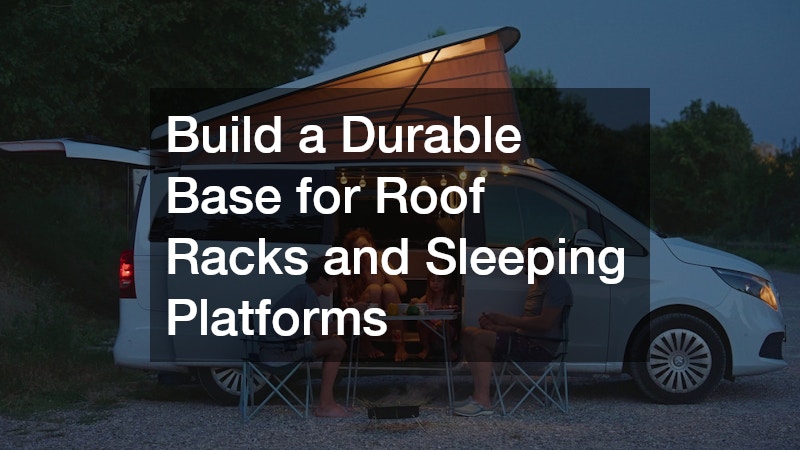
Many off-grid setups include a rooftop tent, sleeping platform, or storage rack, and the material you choose for the base matters more than people expect. Builders increasingly reach for marine lumber when constructing custom platforms because it resists moisture, warping, and rot far better than standard plywood exposed to rain and humidity. This matters even in dry climates, since condensation inside a sealed rooftop box can cause standard wood to swell and weaken over time.
If you’re building your own sleeping platform or drawer system rather than buying a manufactured one, it’s worth spending a little more on marine-grade materials up front. Cheaper wood may hold up fine in a garage, but it often fails after repeated exposure to dust, moisture, and temperature swings on the road. A durable base also keeps the weight distribution even, which matters for handling on rough terrain.
- Choose moisture-resistant lumber for any platform exposed to the elements
- Seal edges and cut points to prevent water absorption
- Reinforce corners where weight concentrates during travel
- Test the platform’s load rating before adding a heavy rooftop tent
Plan Your In-Vehicle Comfort and Entertainment

Long stretches without cell service or streaming access mean your entertainment setup needs to work independently, which is where a solid car sound system earns its keep. Whether you’re relying on downloaded playlists, offline maps with voice guidance, or simply enjoying music around a quiet campsite, good speakers make a noticeable difference in comfort during long driving days. Some travelers also add auxiliary batteries so audio and charging needs don’t drain the vehicle’s starting battery.
Comfort upgrades aren’t just about entertainment either; they affect how alert and relaxed you stay during long driving stretches on unfamiliar roads. Clear audio for navigation cues, hands-free calling when signal allows, and simple creature comforts all reduce fatigue over multi-day trips. Small investments here pay off in how enjoyable the actual driving portion of your adventure feels.
- Add an auxiliary battery to power audio without draining the starter battery
- Download offline maps and music before losing signal
- Consider upgraded speakers for clearer navigation prompts
- Test all electronics on a short trip before a longer departure
Getting your vehicle truly ready for off-grid travel takes more planning than a quick gas station stop, but that preparation is exactly what keeps small problems from becoming trip-ending emergencies. Start with the mechanical basics, build out smart storage and comfort upgrades, and know your recovery options before you lose cell signal. Take it one system at a time, starting with an inspection this week, and you’ll head into the backcountry with a rig that’s actually ready for it.