


A vehicle is one of the biggest investments most people make, and how it looks often says as much about its condition as how it runs. Between harsh weather, road grime, and everyday wear, keeping a car, truck, or fleet vehicle looking sharp takes more than an occasional wash. The good news is that with a bit of planning and the right maintenance habits, you can protect your investment and keep it turning heads in every season. This guide walks through the practical steps homeowners and vehicle owners can take to maintain a pristine appearance all year long.

Understanding Seasonal Wear on Your Vehicle’s Exterior
Every season brings its own set of challenges for your vehicle’s finish. Winter road salt eats away at paint and undercarriage components, while summer sun fades color and dries out rubber seals. Spring pollen and rain create a sticky film that attracts dirt, and autumn leaves can stain paint if left sitting on the surface too long.
Recognizing these patterns helps you plan maintenance before damage sets in rather than after. Many minor cosmetic issues, if caught early, never turn into costly car repairs down the line. Waiting too long to address small scratches, chips, or rust spots almost always means a bigger repair bill later.
Choosing the Right Cleaning Products and Techniques
Not all soaps and cloths are created equal, and using the wrong ones can actually damage your paint over time. Dish soap, for example, strips away protective wax coatings, while abrasive sponges can leave fine scratches known as swirl marks. Investing in pH-balanced car wash soap, microfiber towels, and a two-bucket washing method makes a noticeable difference in how your paint looks and holds up.
Drying technique matters just as much as washing technique. Air drying in direct sunlight often leaves water spots that etch into the clear coat if not removed quickly.
- Use a dedicated wheel cleaner separate from your body panel soap
- Wash in the shade or during cooler parts of the day
- Dry with a plush microfiber towel or blower to avoid streaking
- Apply a spray wax or sealant after every few washes for added protection
Preventing Brake Dust Buildup and Corrosion on Your Vehicle
Wheels and rims take a beating from brake dust, road salt, and curb scrapes, making them one of the fastest parts of a vehicle to look worn. Brake dust is especially corrosive because it clings to hot metal surfaces and, if left unwashed, can etch into clear coats or protective finishes over time. Regular cleaning with a non-acidic wheel cleaner and a soft brush designed for wheel wells helps prevent long-term pitting and discoloration.
Sealants made specifically for wheels can also repel brake dust and make future cleanings much easier. For anyone who drives frequently in winter climates, rinsing wheels weekly during salt season is one of the simplest ways to preserve their finish and structural integrity.

Addressing Common Mechanical Issues That Affect Appearance
It might seem like mechanical problems and cosmetic issues are unrelated, but they often go hand in hand. A leaking seal can stain paint and undercarriage components, while a misaligned suspension can cause uneven tire wear that affects how a vehicle sits and looks. Staying current on routine maintenance keeps both performance and appearance in good shape.
Owners of specific makes sometimes need specialized attention, and this is particularly true for European vehicles. Volkswagen repair, for instance, often involves unique parts and fluid specifications that differ from domestic models, and using the wrong products can lead to premature wear or leaks that stain the exterior.
Keeping Company and Personal Fleets Looking Professional
For business owners, a fleet of vehicles represents the brand every time it’s on the road. Dirty, dented, or faded vehicles can quietly damage customer perception, even if the work being done is excellent. A delivery van with grimy windows or a work truck with faded decals can make even the most reliable company look careless before a single word is exchanged.
Establishing a consistent maintenance schedule keeps every vehicle looking sharp and performing reliably. Many fleet managers opt for weekly exterior washes, monthly interior detailing, and quarterly checks on paint condition, trim, and wraps or decals to catch fading or peeling early. Setting these intervals on a shared calendar, rather than leaving them to individual drivers’ discretion, ensures no vehicle falls through the cracks.
It’s also worth considering the cumulative wear each vehicle faces: mileage, exposure to weather, and route conditions like gravel roads or coastal salt air all affect how often detailing or paint protection is needed. Vehicles logging higher mileage or working in harsher climates may need touch-ups or ceramic coating renewal more frequently than those used for light local deliveries. Finally, keeping simple records of service dates and conditions helps identify which vehicles need extra attention and gives management a clear picture of upkeep costs across the fleet. This documentation can also support resale value down the line, since well-maintained vehicles with a documented care history typically fetch higher prices when it’s time to upgrade.
Many companies find it more efficient to work with a provider who handles fleet service repair on a recurring basis rather than addressing issues one at a time. Scheduled visits every few weeks or months catch small problems like chipped paint, faded decals, or minor dents before they become costly, time-consuming repairs. This kind of proactive approach reduces downtime and ensures that appearance standards stay consistent across every vehicle in the fleet, whether it’s five delivery vans or fifty company cars.
A single provider familiar with your fleet can also track maintenance history, flag recurring issues, and recommend protective treatments suited to your vehicles’ usage patterns. For businesses whose vehicles double as moving advertisements, this consistency matters even more. A scratched bumper or peeling wrap on one truck can undercut the professional image the rest of the fleet projects, so keeping every vehicle held to the same standard protects the brand as a whole.
- Schedule regular washes and interior detailing for all fleet vehicles — weekly exterior washes and monthly deep interior cleans are a reasonable baseline for daily-use vehicles
- Track maintenance history in a shared log or fleet management app to catch recurring issues early, from chipped paint to interior wear patterns
- Standardize signage and wraps across the fleet so wear, fading, or peeling is easy to spot and fix before it looks unprofessional
- Set a clear replacement schedule for wraps and decals (typically every 3-5 years) since UV exposure degrades them even when the vehicle underneath is fine
- Rotate vehicles out of heavy-use routes periodically to even out wear from mileage, road conditions, and weather exposure
- Assign accountability by designating one person or team responsible for fleet appearance standards, so upkeep doesn’t fall through the cracks
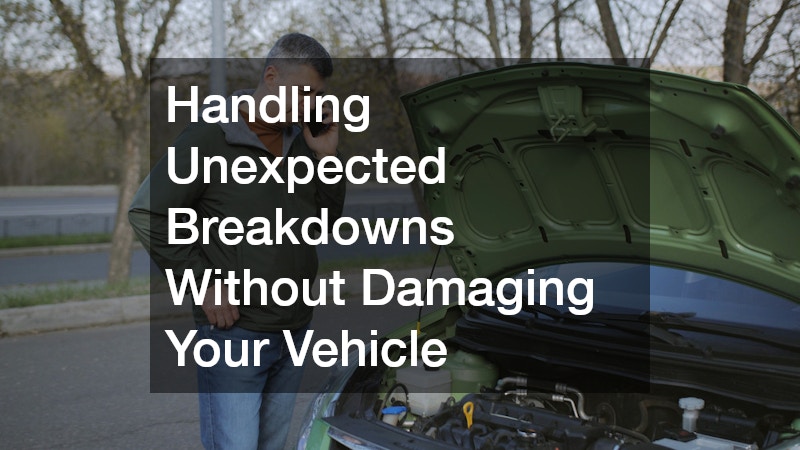
Handling Unexpected Breakdowns Without Damaging Your Vehicle
Even well-maintained vehicles break down occasionally, and how that situation is handled can affect both safety and appearance. Being stranded on a shoulder or in a parking lot increases the risk of scrapes, dents, or towing damage if not managed carefully. Knowing who to call and having a plan in place reduces stress and protects your vehicle from further harm.
Reliable road service can make the difference between a minor inconvenience and a damaging ordeal. Choosing a provider who uses proper equipment and trained technicians helps ensure your vehicle is towed or repaired without additional scratches, dents, or undercarriage damage.
Restoring Uneven Pavement Around Parking and Storage Areas
Where you park matters just as much as how you drive. Cracked, sunken, or uneven pavement can cause vehicles to sit at odd angles, leading to water pooling against tires or debris collecting along body panels.
Over time, this kind of exposure contributes to rust and paint damage that’s easy to overlook until it’s severe. Even minor surface flaws add up. A pothole as shallow as an inch or two can trap rainwater against a tire’s sidewall for days, softening rubber and encouraging mold or mildew to form in the wheel well. Cracks wider than a quarter inch also invite weeds and grit, which scratch paint and trim every time a door opens or a gust of wind blows debris underneath the car. Sloped or settled sections of asphalt are just as problematic, since they force runoff toward the vehicle instead of away from it. If you notice water consistently collecting near your tires after a rainstorm, that’s a strong sign the grading needs attention rather than a one-time fix.
Routine maintenance—sealing cracks each season, filling potholes promptly, and regrading low spots—keeps moisture and contaminants from lingering against your vehicle. For driveways or private lots, a simple visual inspection every few months, paired with quick patchwork before winter, can prevent small pavement issues from turning into costly bodywork repairs.
Uneven or sunken concrete around driveways, parking pads, and storage areas isn’t just an eyesore—it can chip paint, damage tires, and create trip hazards for anyone loading or unloading a vehicle. For homeowners or business owners dealing with sunken concrete slabs, mud jacking is a cost-effective way to lift and level the surface without full replacement. This process involves pumping a cement-based slurry beneath the slab through small drilled holes, raising it back to its original position within a matter of hours.
Compared to tearing out and repouring concrete, mud jacking typically costs 40-60% less and requires far less downtime, often letting you use the area again the same day. It’s especially useful for spot-fixing problem areas like sunken slab edges near garages, uneven sections of a parking lot, or dips that have formed around drainage points. This process not only protects vehicles parked on the surface but also prevents further water damage and settling that could worsen over time. Left unaddressed, low spots collect standing water that can seep into foundations, erode the sub-base further, and accelerate cracking during freeze-thaw cycles. Scheduling an inspection each spring or fall helps catch settling early, before it turns into a costlier repair.
Removing Rust, Old Paint, and Corrosion from Metal Surfaces
Sometimes a vehicle’s appearance problems go beyond the surface, especially when rust has taken hold on frames, undercarriages, or trailers. In these cases, standard washing and polishing aren’t enough to restore a clean finish. Once corrosion has eaten into the metal, it needs to be physically stripped away before any new coating can bond properly. Professional-grade abrasive methods are typically the most effective solution. Media blasting—using materials like soda, walnut shells, or fine glass beads—can remove rust and old paint without warping thin metal panels, making it a good option for body panels and trim. For heavier corrosion on frames or undercarriages, sandblasting or dustless blasting with water-mixed abrasives cuts through scale quickly while keeping airborne dust to a minimum. The right method depends on the metal’s thickness and how deep the rust has spread. Light surface rust often responds well to a wire wheel or orbital sander with 80- to 120-grit discs, while pitted or flaking corrosion usually calls for blasting to reach bare metal. Skipping this step and painting over compromised metal almost always leads to bubbling or peeling within months. After stripping, the surface should be treated with a rust inhibitor or converter within a few hours to prevent flash rust from forming, especially in humid conditions. A zinc-based primer is a smart follow-up layer before any topcoat, since it adds a sacrificial barrier against future oxidation. For trailers and undercarriages exposed to road salt, applying a rubberized undercoating afterward can significantly extend the time before rust returns.
Sandblasting is commonly used to remove old paint, rust, and grime from metal surfaces down to bare metal, creating a clean base for repainting or rustproofing. The process works by propelling abrasive media—typically silica sand, glass beads, or crushed walnut shells—at high velocity using compressed air, stripping away contaminants layer by layer. A properly calibrated sandblaster applies just enough pressure, usually between 40 and 90 PSI depending on the media and metal thickness, to clear away damage without warping or weakening the underlying metal. Too much pressure or the wrong nozzle distance can pit thin body panels or distort trim pieces, while too little leaves rust and paint residue behind. Because of this delicate balance, sandblasting is best left to those with proper training and equipment. Professionals also know how to mask off sensitive areas like glass, rubber seals, and electrical components before starting, and they follow safety protocols for containing dust and used media. For vehicle owners considering DIY attempts on small parts, lower-pressure alternatives like soda blasting or media blasting with plastic beads offer a gentler option that’s less likely to cause accidental damage.
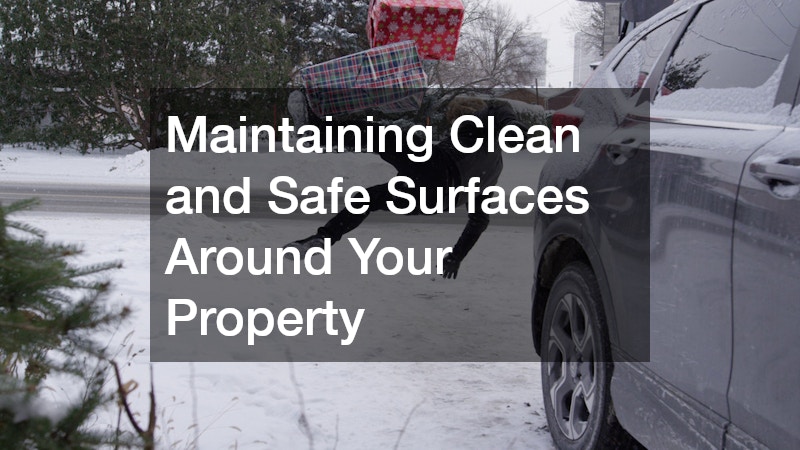
Maintaining Clean and Safe Surfaces Around Your Property
The condition of the surfaces around your home or business affects your vehicles just as much as the vehicles themselves. Potholes, oil stains, and debris buildup in driveways or lots can cause avoidable scrapes, flat tires, and paint chips. Regular upkeep of these surfaces protects both your vehicle and anyone else who parks or walks there.
Consistent parking lot maintenance, including sealcoating, striping, and pothole repair, keeps surfaces smooth and reduces the risk of damage to tires and undercarriages. This is especially important for business owners who want to protect both customer vehicles and their own company fleet from unnecessary wear.
Caring for Specialty Vehicles and Equipment Near Water
Vehicle appearance concerns aren’t limited to cars and trucks. Boats, trailers, and equipment stored or used near water often face unique wear from moisture, algae, and constant exposure to the elements. Structures used to access these vehicles or vessels need just as much attention as the vehicles themselves.
Aluminum docks and gangways are popular because they resist rust and corrosion better than other materials, but they still require regular cleaning and inspection to stay structurally sound and visually appealing. Keeping these structures well maintained protects the vehicles and equipment that rely on them for safe, damage-free access to the water.
Keeping your vehicle looking pristine year-round isn’t about one big effort, but a series of small, consistent habits that protect it from every angle. From the products you use to wash it, to the surfaces you park it on, every decision plays a role in how well it holds up over time. Start by addressing the areas most relevant to your situation, whether that’s a single car, a business fleet, or the surfaces around your property, and build a routine you can stick with. Taking these steps now will save you time, money, and frustration down the road.