


Every year, more people fall in love with the idea of owning a car that stands out from the daily commuter traffic, whether that means a vintage muscle car, a rare European sports coupe, or a beautifully restored pickup truck. But turning that appreciation into smart ownership takes more than a passion for chrome and horsepower. Understanding the culture, the costs, and the care involved can mean the difference between a rewarding hobby and a frustrating money pit. This guide breaks down what you need to know before buying, maintaining, and enjoying a collector vehicle for years to come.
What Vehicle Culture Really Means Today
Vehicle culture has grown far beyond weekend car shows and magazine covers. It now includes online communities, social media groups, and local meetups where owners trade tips, share restoration progress, and celebrate milestones like a first successful engine rebuild. This shift has made the hobby more accessible to newcomers who might have felt intimidated by traditional car club gatekeeping.
For many owners, the appeal isn’t just about the vehicle itself but the sense of belonging that comes with it. People bond over shared struggles, like tracking down a discontinued part or debating the merits of a particular era of design. Understanding this cultural backdrop helps new collectors set realistic expectations about time, money, and community involvement.
Why People Choose to Collect Cars
Motivations for collecting vary widely, but most owners cite a mix of nostalgia, investment potential, and genuine enjoyment of driving something unique. Some are chasing memories of a car their parents owned, while others are drawn to engineering achievements from a specific decade. Recognizing your own motivation early can guide smarter purchasing decisions down the road.
- Emotional connection to a specific make, model, or era
- Interest in mechanical restoration as a hands-on hobby
- Potential for long-term value appreciation
- Desire to participate in car shows and community events
- Appreciation for design and engineering history
What to Look for Before Buying a Collector Vehicle
Buying a collector car is rarely as simple as buying a used daily driver. Rust, prior accident history, and incomplete restorations can turn what looks like a bargain into a costly project. It helps to bring a knowledgeable friend or hire an independent inspector who specializes in older vehicles before signing any paperwork.
Documentation matters just as much as the physical condition of the car. Original title history, maintenance records, and any receipts from prior restoration work can tell you a lot about how the vehicle was treated. A well-documented car, even if it needs some work, is often a safer bet than an undocumented vehicle with a suspiciously low price tag.
- Check for frame damage or evidence of past collisions
- Ask for maintenance and ownership records
- Inspect for rust in wheel wells, floor pans, and trunk areas
- Verify matching numbers on engine and chassis where applicable
- Take a test drive under varied conditions, not just idle in a driveway
Specialized Maintenance for Classic and Performance Vehicles
Older and specialty vehicles often require a different level of mechanical expertise than a standard modern car. Parts may be harder to source, especially for models that are 20 or 30 years past their original production run, and some suppliers only carry reproduction pieces that fit imperfectly compared to factory originals. This means diagnostic work takes longer and requires a technician who’s willing to research rather than guess.
Some systems, like older automatic gearboxes, need technicians who understand vintage engineering rather than just plugging in a diagnostic computer. A classic Turbo Hydramatic or an early electronically controlled transmission won’t throw the same error codes a modern vehicle would, so a shop relying solely on generic scan tools may misread the problem entirely. Hydraulic pressure testing, manual valve body inspection, and knowledge of period-correct fluid specifications often matter more than software.
Seeking out shops that offer dedicated auto transmission services for classic vehicles can save you from costly misdiagnoses and unnecessary part replacements. Ask whether the shop has direct experience with your specific make and era, since a specialist in 1960s American muscle cars may not be the right fit for a vintage European sports car with a very different drivetrain layout. It’s also worth asking how they source replacement parts and whether they rebuild components in-house, since that can significantly affect both turnaround time and long-term reliability.
European sports cars bring their own unique maintenance demands, and owners of certain marques quickly learn the value of specialized care. Air-cooled and modern water-cooled Porsches, for instance, require different service intervals, fluids, and torque specifications, and a generalist mechanic unfamiliar with these distinctions can easily cause costly errors. A shop offering genuine porsche service will typically have technicians trained specifically on those platforms, along with access to manufacturer-specific diagnostic tools and factory-sourced parts.
This kind of specialized attention often costs more upfront, sometimes 20 to 40 percent above a standard independent shop’s rates, but it tends to prevent expensive repeat repairs later. Technicians familiar with common failure points, such as IMS bearing issues on older Boxsters or coolant leaks in later models, can catch problems before they escalate into engine-out repairs. For collectors, that expertise also helps preserve documentation and provenance, both of which matter significantly at resale.
- Ask shops about experience with your specific make and model, including any work on your engine or transmission variant
- Confirm access to OEM or high-quality reproduction parts, and ask about typical sourcing times for discontinued components
- Request a written estimate before major repair work begins, with labor and parts itemized separately
- Look for technicians certified in your vehicle’s specific systems, such as ASE or manufacturer-specific credentials
- Check whether the shop carries insurance and offers a warranty on parts and labor
- Ask for references from other classic or performance car owners in your area
Safely Storing and Transporting a Collector Car
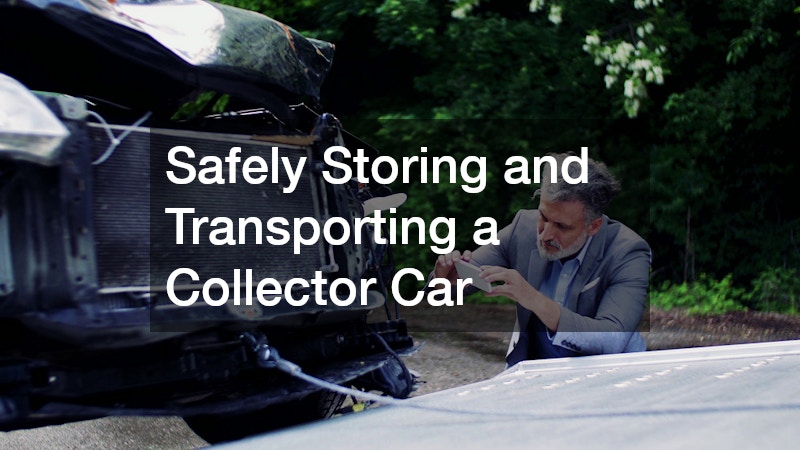
Where and how you store a collector vehicle has a direct impact on its long-term condition. Climate-controlled storage helps prevent rust, cracked seals, and sun-damaged interiors, especially in regions with harsh winters or intense summer heat. Ideally, storage space should maintain a temperature between 55 and 75 degrees Fahrenheit and humidity levels below 50 percent to prevent condensation, mold, and corrosion.
Even short-term storage decisions, like leaving a car uncovered in a driveway, can accelerate wear that’s difficult to reverse. UV rays fade paint and crack dashboards within a matter of months, while moisture buildup on an uncovered vehicle can lead to rust in wheel wells and undercarriage components. A breathable car cover, tire cradles to prevent flat-spotting, and a trickle charger to maintain battery health are all low-cost tools that make a meaningful difference.
Transporting a collector car also requires more care than driving it to a show or dropping it off at a mechanic. Enclosed trailers are generally preferred over open ones since they shield the vehicle from road debris, weather, and prying eyes. When hiring a transport service, owners should confirm insurance coverage limits, ask about driver experience with high-value vehicles, and request photo documentation of the car’s condition before and after the move.
Transporting a collector car, whether to a show, a new home, or a specialty repair shop, requires more care than tossing keys to a standard tow service. Hiring a reputable towing company experienced with low-clearance or flatbed transport reduces the risk of scrapes, undercarriage damage, or improper tie-down techniques. Standard hook-and-chain tow trucks can crack fiberglass bumpers or bend frame rails on lowered vehicles, so a flatbed with a hydraulic lift gate is almost always the safer choice.
It’s worth asking directly about their experience with classic or lowered vehicles before booking a pickup. Good questions include how they secure the car to the bed (soft straps rather than metal chains are gentler on paint and undercarriage), whether the trailer is enclosed or open, and what cargo insurance coverage applies specifically to vehicles valued over typical market rates.
For long-distance moves or cross-country auctions, enclosed transport is worth the extra cost since it shields the car from road debris, weather, and prying eyes at rest stops. Ramp angle matters too—many collector cars sit only 4 to 5 inches off the ground, so drivers should confirm the trailer has a low-angle or extendable ramp before the truck ever arrives.
- Choose climate-controlled storage that maintains 55-65°F and 40-50% humidity to prevent rust and interior deterioration
- Use breathable car covers to prevent moisture buildup, avoiding plastic tarps that trap condensation
- Store on a moisture barrier or sealed floor rather than bare concrete, which can wick dampness into tires
- Confirm flatbed transport for vehicles with low ground clearance to avoid scraping on ramps
- Request enclosed carriers for high-value or vintage vehicles to shield against road debris and weather
- Ask about insurance coverage during transport, including cargo limits and deductibles for damage claims
- Photograph the vehicle before pickup to document its condition in case of a dispute
Preserving the Exterior and Protecting Resale Value
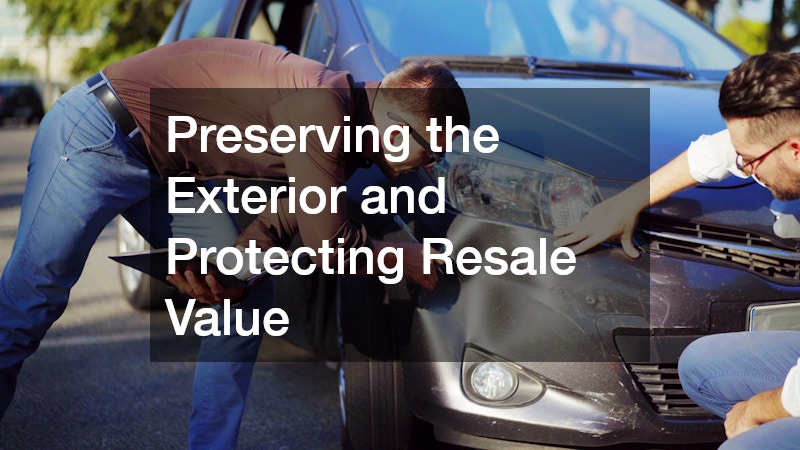
A collector vehicle’s exterior condition plays a huge role in both its enjoyment factor and its resale value. Even small imperfections, like a shopping cart ding or a minor parking lot mishap, can detract from an otherwise pristine restoration. Prompt attention to these issues helps maintain the car’s overall presentation and market value.
Professional dent repair has become far more precise in recent years, with techniques like paintless dent removal allowing technicians to fix minor body damage without repainting the entire panel. This approach preserves original paint, which matters a great deal to collectors focused on authenticity. Choosing a technician experienced with classic vehicle bodywork ensures the repair blends seamlessly rather than standing out as an obvious patch job.
- Address minor dents quickly before they lead to rust
- Ask about paintless repair options to preserve original paint
- Keep touch-up paint on hand for small chips
- Wash and wax regularly to protect the clear coat
Collecting Larger and Commercial Vehicles

Not all vehicle enthusiasts focus on sports cars or vintage sedans. A growing number of collectors are drawn to larger commercial vehicles, including classic pickup trucks, vintage fire engines, and even restored semi trucks used for hauling at exhibitions. These vehicles come with their own community, complete with specialized shows and swap meets.
Sourcing a commercial vehicle for a collection often means working with a semi truck dealer who understands both the mechanical history and the documentation needed for older heavy vehicles. These dealers can also provide guidance on regulatory requirements that differ from standard passenger car ownership. Buyers interested in this niche should budget extra time for research, since parts availability and inspection standards vary significantly by state.
- Research state-specific registration rules for commercial classics
- Ask about available service history for heavy vehicle purchases
- Budget for specialized parts sourcing
- Join commercial vehicle collector groups for guidance
Building Connections Within the Collector Community
One of the most rewarding parts of collector car ownership is the network of people who share the same passion. Local car clubs, online forums, and regional shows offer opportunities to learn from experienced owners who have already solved problems you may be facing. These connections often lead to trusted recommendations for everything from parts suppliers to specialty mechanics.
Attending events also helps new collectors understand realistic pricing, common pitfalls, and which vehicles tend to hold value best over time. Many long-time owners are happy to share lessons learned, especially with newcomers who show genuine curiosity rather than just looking for a quick flip. Building these relationships early can save significant time and money throughout your ownership journey.
- Join local or online car clubs related to your vehicle type
- Attend regional shows and swap meets
- Ask experienced owners about trusted local mechanics
- Participate in forums to stay updated on parts availability
Understanding Insurance and Legal Requirements

Standard auto insurance policies often don’t reflect the true value or usage patterns of a collector vehicle. Specialty collector car insurance typically accounts for agreed value coverage, limited mileage usage, and secure storage requirements. Skipping this step can leave owners underinsured in the event of an accident or theft.
Legal requirements for collector vehicles, such as historic vehicle registration or emissions exemptions, vary by state and sometimes by vehicle age. It’s worth checking with your local motor vehicle department to confirm what qualifies for special classification. Staying compliant not only avoids fines but can also reduce registration costs for qualifying vehicles.
- Compare standard insurance policies with collector-specific coverage
- Confirm agreed value versus actual cash value terms
- Check state rules for historic vehicle registration
- Ask about mileage limits tied to collector insurance discounts
Planning for Long-Term Ownership Costs
Owning a collector vehicle involves more than the initial purchase price. Ongoing costs include storage, insurance, periodic maintenance, and unexpected repairs that can arise from aging components. Creating a realistic annual budget helps prevent financial surprises that might otherwise sour the ownership experience.
Setting aside a maintenance fund specifically for your collector vehicle, separate from everyday car expenses, allows you to handle repairs without financial stress. Many experienced owners recommend budgeting for at least one major service or unexpected repair each year, even on well-maintained vehicles. This approach keeps the hobby enjoyable rather than becoming a constant source of financial anxiety.
- Budget for annual storage and insurance costs
- Set aside funds for unexpected mechanical repairs
- Track expenses to understand true cost of ownership
- Reinvest in preventative maintenance to avoid larger repair bills
Collector car ownership can be one of the most fulfilling hobbies available, blending mechanical curiosity, historical appreciation, and genuine community connection. Success in this space comes down to preparation, from choosing the right vehicle to lining up trustworthy specialists for maintenance, transport, and cosmetic care. Take time to research your specific vehicle type, connect with experienced owners, and build a realistic budget before diving in. With the right foundation in place, you’ll be well positioned to enjoy your collector vehicle for many years to come.