

There is an undeniable, magnetic pull to the water. Waking up to the gentle sound of waves lapping against the shore, enjoying a morning cup of coffee while watching the mist burn off a glass-calm lake, and having instant, unrestricted access to aquatic adventures right in your backyard are the hallmarks of a life well-lived. For many, transitioning to a waterfront property is the ultimate lifestyle upgrade, a realization of a long-held dream where every weekend feels like an exclusive vacation.
However, the reality of waterfront ownership is far more complex than simply enjoying the spectacular views from your deck. Living on the edge of a dynamic, ever-changing environment means you are constantly interacting with the elements. Wind, wake, tides, and weather patterns all play a significant role in how you manage and maintain your property. What serves as a beautiful backdrop also introduces a unique set of structural, mechanical, and environmental responsibilities that inland homeowners never have to consider.
The transition from a landlocked home to a shoreline estate requires a paradigm shift. You become not just a homeowner, but a steward of the shoreline and a manager of marine assets. This comprehensive guide is designed to serve as your practical roadmap to mastering waterfront living. From fortifying the physical boundaries of your property against the relentless forces of nature to selecting the right vessel and maximizing your time on the water, we will cover the essential strategies you need. By focusing on proactive maintenance, smart infrastructure, and informed decision-making, you can ensure that your waterfront dream remains a source of relaxation and joy, rather than a relentless source of stress.
Securing Your Shoreline Against Erosion and Weather
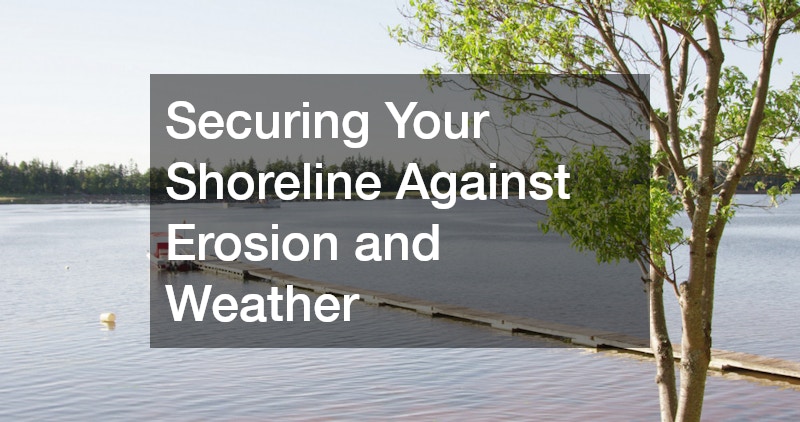
Living on the water means your property line is in a constant, silent battle with the elements. Every passing wake, shifting tide, and seasonal storm exerts energy against your shoreline. Over time, this energy can strip away soil, undermine landscaping, and threaten the structural integrity of the very land you live on. Managing this boundary is the most critical aspect of waterfront ownership.
Assess Your Land for Early Signs of Water Encroachment
Erosion rarely happens overnight; it is a gradual process that, if ignored, can lead to catastrophic property loss. Homeowners must become vigilant observers of their own shorelines, establishing a routine of inspecting the waterfront perimeter, especially after heavy rains or significant wind events. Catching the early signs of soil displacement can save tens of thousands of dollars in emergency repairs.
-
Look for Undercutting: Walk the edge of your property at low tide and inspect the bank. If the soil is scooped out beneath the grass line, leaving an overhanging ledge of roots, undercutting is actively occurring.
-
Monitor Soil Run-off: Pay attention to how rainwater moves across your lawn toward the water. If you see deep rills or muddy deltas forming at the water’s edge, you are losing valuable topsoil.
-
Check the Clarity: If the water immediately surrounding your property remains murky and brown long after a storm has passed, while the rest of the lake or river clears up, your bank is likely dissolving into the water.
-
Assess Existing Structures: If you already have a seawall, look for sinkholes forming directly behind it. This indicates that soil is washing out through cracks or failed seams in the barrier.
Choose the Right Materials for Long-Lasting Bulkheads
When a natural shoreline cannot withstand the wave energy, installing a bulkhead or seawall becomes necessary. The materials you choose for this defense system will dictate its lifespan and effectiveness. Modern waterfront construction offers a variety of materials, each with distinct advantages and applications. Wood is traditional and aesthetically pleasing, but it is susceptible to rot and marine borers if not properly treated. Vinyl sheet piling has become incredibly popular due to its longevity and resistance to fading and cracking. Composite materials offer a middle ground, providing the look of wood with the durability of plastics.
When opting for wood in any marine environment, it is absolutely essential to source materials that have been chemically treated to withstand total or partial submersion. Consulting with specialized marine lumber services can help you acquire the heavy-duty, high-retention treated timber necessary for bulkheads and pilings, ensuring the wood can resist harsh aquatic organisms and constant moisture.
Hire Professionals for Structural Integrity
Constructing a shoreline defense system is not a weekend do-it-yourself project. It requires heavy machinery, complex engineering, and a deep understanding of hydrodynamics. A poorly constructed seawall can act as a dam, trapping groundwater behind it until the hydrostatic pressure causes the entire structure to collapse outward into the water.
Therefore, it is crucial to outsource this work to seasoned experts. You must vet and hire a licensed retaining wall contractor who specializes in waterfront environments. These professionals understand how to install the critical components that keep a bulkhead standing, such as deep-driven pilings, deadmen anchors buried far back in the solid earth, and proper weep holes to relieve groundwater pressure. Furthermore, they are well-versed in navigating the often-complex web of local, state, and federal environmental permits required before a single shovel touches the shoreline.
Designing a Safe and Accessible Mooring System
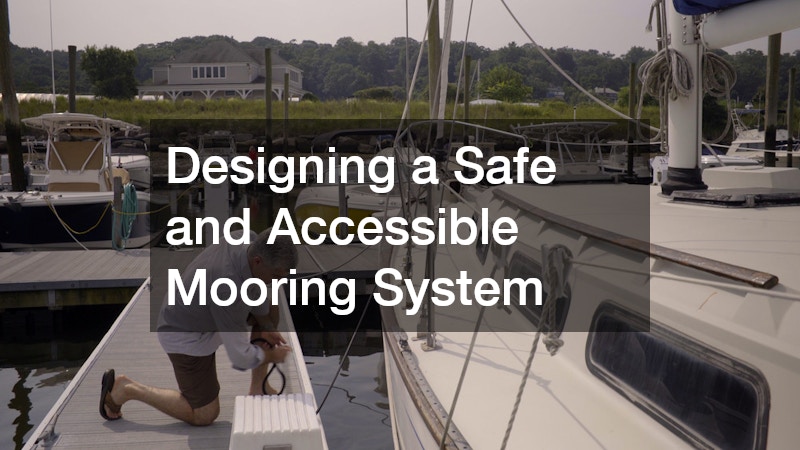
The transition zone between your solid land and the open water is the heart of your waterfront lifestyle. How you park, board, and secure your vessel dictates how frequently and safely you can enjoy the water. A well-designed mooring system should make embarking on an evening cruise as effortless as backing your car out of the driveway.
Determine the Best Layout for Your Water Depth
The design of your mooring structure is heavily dependent on the specific bathymetry—the underwater topography—of your shoreline. Building an expansive structure without thoroughly understanding how the water behaves throughout the year will lead to immense frustration. You must measure the water depth at the end of your proposed pier during the lowest tides or, for lakes, during late-summer drought conditions, to ensure year-round usability.
Depending on your water conditions, you will need to choose the right configuration to accommodate your vessel and your guests safely. This is where you decide between stationary and floating structures. Stationary piers are excellent for shallow waters with minimal tidal swings, providing a rigid, stable platform for entertaining and boarding. However, in areas with significant tidal fluctuations, floating boat docks are the superior choice, as they rise and fall with the water level, ensuring your vessel is always easily accessible without the need to climb steep ladders at low tide.
-
Measure the Draft: Know exactly how much water your vessel needs to float without scraping the bottom (the draft). Add at least two feet to this measurement to account for exceptionally low water events.
-
Consider the Approach: Ensure your layout allows for a safe, wide turning radius when maneuvering your vessel into its slip, taking prevailing winds and currents into account.
-
Incorporate Zoning Laws: Most municipalities restrict how far a structure can extend into a waterway to preserve navigable channels. Always check your riparian rights and property lines.
Elevate Your Vessel to Prevent Hull Damage
Leaving a vessel permanently in the water, whether it is a freshwater lake or a saltwater bay, is an invitation for accelerated wear and tear. Saltwater causes rapid galvanic corrosion of metal parts, while algae and barnacles will quickly colonize a submerged hull, drastically reducing fuel efficiency and top speed. Furthermore, prolonged exposure to water can lead to osmotic blistering, a condition where water penetrates the fiberglass gel coat and weakens the hull.
The most effective way to protect your investment is to remove it from the water when not in use. You should strongly consider utilizing professional boat lift services to evaluate your setup and install a custom hoist system. A properly calibrated lift keeps the hull clean, dry, and protected from stray electrical currents in the water. It also provides immense peace of mind during severe weather, keeping your vessel safely suspended above storm surges and thrashing waves.
Selecting and Moving the Right Watercraft for Your Lifestyle
Your waterfront property provides the venue, but the vessel you choose is the vehicle for your experiences. Navigating the logistics of purchasing, outfitting, and transporting your primary source of on-water entertainment requires careful consideration to ensure you get exactly what fits your family’s needs without overextending your budget.
Vet Local Sellers to Find the Perfect Match
The marine market is vast, offering everything from nimble personal watercraft to massive cabin cruisers. The first step is matching the vessel type to your primary activities. If your goal is hosting large gatherings and sunset cruises with multiple families, a spacious pontoon is ideal. If offshore fishing is your passion, a center console with deep-V hull dynamics is required.
Once you know what you want, the buying process begins. Building relationships with reputable, local boat dealers is much more important than simply finding the lowest price on the internet. A local seller provides ongoing support, honors warranties, and can expedite parts and labor when things inevitably break.
-
Ask for a Sea Trial: Never purchase a vessel without operating it on the water. How it handles chop, how it corners, and how the helm feels can only be assessed underway.
-
Review the Warranty: Understand exactly what is covered. Does the warranty cover just the hull, or does it include the outboard engine and electronics? Is it transferable if you decide to sell?
-
Inquire About Service: Ask the seller what their average turnaround time is for routine maintenance during the peak summer season. A great purchase price means nothing if your vessel sits in a service yard for six weeks in July.
Invest in Proper Towing Equipment for Safe Transport
Even if your vessel lives behind your house most of the year, there will be times when you need to pull it out of the water—for hurricane evacuations, off-season storage, or exploring different waterways. Understanding the logistics of land transport is a non-negotiable skill for any owner. This requires a thorough understanding of your tow vehicle’s gross combined weight rating (GCWR), towing capacity, and proper hitch classes.
Equally important is the condition of the equipment doing the heavy lifting. Neglecting to inspect and maintain boat trailers is the leading cause of highway breakdowns for marine enthusiasts. These rigs endure a brutal life of being submerged in water and then dragged down highways at high speeds.
-
Check the Bearings: Wheel bearings should be greased regularly and equipped with bearing protectors. If a bearing runs dry, it will seize and destroy the axle.
-
Inspect the Tires: Trailer tires sit idle for long periods and are prone to dry rot and sidewall cracking. Always check the tire pressure before a trip, as under-inflated tires overheat quickly and blow out.
-
Test the Lighting: Submerging electrical components is a recipe for corrosion. Before hitting the road, verify that all brake lights, turn signals, and running lights are functioning correctly to ensure safe transport.
Enhancing On-Water Comfort and Performance
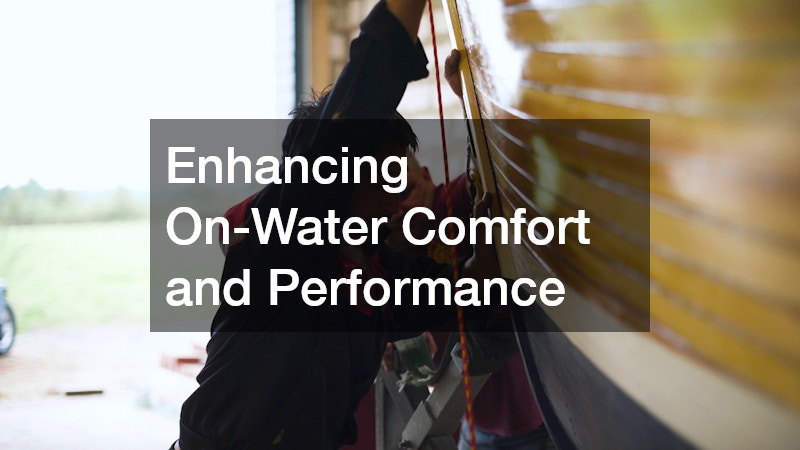
Owning a vessel is only part of the equation; operating it efficiently and comfortably ensures that your time on the water is actually enjoyable. The goal is to make the ride as smooth, safe, and stress-free as the destination itself, whether that destination is a hidden cove for swimming or a distant offshore fishing ground.
Understand Your Vessel’s Original Specifications
Modern vessels are highly complex machines, relying on integrated networks of electronics, hydraulics, and high-performance engines. Treating a marine engine like a car engine is a common, costly mistake. To maximize the lifespan and fuel efficiency of your asset, you must intimately understand its specific operational parameters.
This begins with a thorough study of the owner’s manual. You must strictly adhere to the operational guidelines, payload limits, and maintenance intervals provided by the boat manufacturer to avoid voiding your warranties and to ensure optimal safety. Knowing your vessel’s “sweet spot”—the specific RPM where it achieves its best cruising speed relative to fuel consumption—can save you hundreds of dollars at the fuel dock over a single season. Furthermore, understanding the precise payload limits ensures you do not overload the vessel, which drastically alters its center of gravity and increases the risk of swamping.
-
Know Your Draft: Always be aware of how much water your vessel requires to float, especially when loaded with passengers and fuel.
-
Understand Trim: Learn how to properly use your engine trim and trim tabs to adjust the running angle of the hull. Proper trim reduces bow rise, increases visibility, and cuts through waves more efficiently.
-
Heed Break-In Periods: If you have a new engine, follow the break-in procedures to the letter. Failing to do so can result in permanent engine damage and reduced performance for the life of the motor.
Upgrade Your Ride to Eliminate Bothersome Rocking
Even on relatively calm days, the constant motion of the water takes a physical toll on the human body. The rolling motion caused by wakes from passing vessels or natural chop can lead to severe motion sickness, fatigue, and an uncomfortable experience for guests who aren’t accustomed to the sea.
To drastically improve the quality of your time on the water, you should consider upgrading your vessel’s ride control. There are incredible advancements in marine technology designed specifically to counteract the natural motion of the ocean. Exploring aftermarket boat stabilization systems, such as gyroscopic stabilizers that spin at high speeds to resist rolling forces, or active interceptors that deploy metal plates from the transom to correct the hull’s pitch and roll in milliseconds, can transform a rocky, uncomfortable ride into a smooth, luxurious glide. These systems significantly reduce the physical exertion of balancing on a moving deck, ensuring everyone on board arrives at the destination refreshed rather than exhausted.
Mastering Seasonal Maintenance and Proper Winterization
The secret to maximizing the return on your waterfront investment is an uncompromising approach to preventive maintenance. Marine environments are notoriously harsh, and neglecting your assets during the off-season will invariably lead to expensive, frustrating delays when the warm weather returns. Preserving the lifespan of your property requires a regimented approach to seasonal transitions.
Schedule Annual Inspections Before Peak Season Starts
Spring commissioning should not begin the day you want to go for your first cruise. It must start weeks in advance to allow time for troubleshooting. Homeowners should develop a comprehensive DIY checklist to audit the basic health of their vessel and waterfront gear. This includes testing battery voltage, checking all bilge pumps for proper operation, inspecting steering cables for stiffness, and verifying that all Coast Guard-required safety gear (flares, fire extinguishers, life jackets) is present and unexpired.
However, recognizing your own mechanical limitations is just as important as doing the basic checks. For complex engine diagnostics, deep electrical troubleshooting, and annual fluid changes involving the lower unit gear lube, it is highly recommended to build a relationship with a certified boat repair shop well before the spring rush. Getting on their schedule early ensures your engines are professionally serviced, tuned, and ready to perform flawlessly when the season opens.
Protect Your Investment from Harsh Winter Elements
For those living in regions that experience freezing temperatures, proper winterization is the most critical maintenance task of the year. When water freezes, it expands with enough force to crack cast iron engine blocks, burst fiberglass water tanks, and destroy expensive plumbing systems.
The winterization process is a meticulous, step-by-step procedure. It involves flushing the engine with antifreeze, treating the remaining fuel with heavy-duty stabilizers to prevent phase separation, and fogging the engine cylinders with oil to prevent internal rust. Once the mechanical systems are secure, the exterior must be protected from ice, snow, and UV damage, typically through professional shrink-wrapping.
-
Remove Valuables and Canvas: Take all electronics, cushions, and canvas covers indoors. Mold and mildew will destroy damp fabrics left in a sealed environment over the winter.
-
Ventilate Properly: If you shrink-wrap, ensure the installer adds moisture-control vents. A completely sealed wrap traps ground moisture, turning the interior into a greenhouse for mold.
-
Consider Professional Housing: Instead of leaving the vessel exposed to the extreme elements on your property, weigh the benefits of moving it to an indoor, climate-controlled storage facility where it will be completely shielded from freezing temperatures, heavy snow loads, and destructive pests seeking a winter nest.
Conclusion
Embracing the waterfront lifestyle is a rewarding journey that fundamentally changes how you interact with your home and your free time. It shifts your daily routine from one of suburban predictability to one synchronized with the rhythms of nature, tides, and weather. While the aesthetic and recreational benefits are immense, the foundation of this lifestyle is built on preparation, robust infrastructure, and proactive maintenance.
By taking the time to secure your shoreline against erosion, designing an intelligent and safe mooring system, and selecting the right vessel for your specific needs, you eliminate the friction that often frustrates unprepared owners. Furthermore, by committing to thorough seasonal maintenance and upgrading your vessel for optimal comfort, you ensure that every moment spent on the water is safe and enjoyable.
The reality is that waterfront living requires diligence and a willingness to invest in the proper care of your assets. However, the payoff—those unforgettable sunset cruises with family, the quiet mornings spent casting a line into the mist, and the seamless, unparalleled access to the natural world—is entirely worth the effort. Do not let the responsibilities overwhelm the dream. Pick one area of your waterfront setup to audit, upgrade, or maintain this weekend. Take a walk along your shoreline, inspect your mooring lines, or schedule that pre-season engine service. What steps are you taking this season to perfect your own waterfront oasis?