

Key Takeaways
- Renovating an existing home is often less expensive than building a new house because major structural elements and utility connections are already in place.
- Hidden issues such as foundation damage, outdated wiring, plumbing problems, or code compliance requirements can significantly increase renovation costs.
- Building a new house typically requires a higher upfront investment but offers complete design flexibility, modern features, and improved energy efficiency.
- The condition of the existing property is one of the most important factors when deciding whether to remodel or start from scratch.
- New construction generally comes with lower maintenance and repair costs during the first several years of ownership.
- Careful budgeting, contingency planning, and working with qualified professionals can help prevent costly surprises regardless of the project type.
- The best option depends on your budget, long-term goals, desired level of customization, and whether your current home’s structure is worth preserving.
When homeowners outgrow their current living space or begin noticing signs of aging in their property, a common question arises: Should you renovate your existing home or build a new one from the ground up? Both options offer unique advantages, but they come with significantly different costs, timelines, and long-term implications.
Understanding how much home renovation costs compared to building a new house is essential before making a major financial commitment. While renovating may appear less expensive at first glance, extensive structural repairs and upgrades can quickly increase costs. On the other hand, constructing a new home provides a blank slate but often requires a larger upfront investment.
The right choice depends on several factors, including the condition of your current property, your budget, your long-term goals, and the local housing market. This guide explores the financial differences between home renovation and new construction, helping homeowners make informed decisions that align with their needs and priorities.
Understanding the Basics of Renovation and New Construction
Before comparing costs, it is important to define what each project involves.
What Is Home Renovation?
Home renovation refers to improving, updating, repairing, or remodeling an existing property. Renovations can range from cosmetic changes, such as repainting walls and replacing flooring, to major projects involving structural modifications.
Common renovation projects include:
- Kitchen remodeling
- Bathroom upgrades
- Roof replacement
- Room additions
- Flooring replacement
- Electrical system updates
- Plumbing improvements
- Energy-efficiency upgrades
Renovation projects allow homeowners to preserve the existing structure while improving functionality and aesthetics.
What Does Building a New House Involve?
Building a new house means constructing a completely new structure on vacant land or after demolishing an existing home.
This process generally includes:
- Land preparation
- Architectural design
- Permit acquisition
- Foundation construction
- Framing
- Roofing
- Plumbing installation
- Electrical work
- Interior finishing
- Landscaping
New construction offers complete design freedom but often requires significantly more planning and resources.
What are the Typical Costs of Home Renovation?
Home renovation costs vary depending on the scope of work, location, materials, and labor rates.
Minor renovations may cost only a few thousand dollars, while extensive whole-home remodels can reach six figures.
Several factors influence renovation expenses:
Size of the Project
The larger the renovation area, the higher the overall cost.
For example:
- Bathroom renovations often represent one of the more affordable major projects.
- Kitchen remodels generally cost more because of appliances, cabinetry, and specialized installations.
- Whole-home renovations involve multiple systems and therefore command much higher budgets.
Existing Structural Conditions
Older homes may hide issues such as:
- Water damage
- Mold growth
- Outdated wiring
- Foundation problems
- Pest infestations
These issues can substantially increase project costs once work begins.
Material Selection
Premium materials naturally raise costs.
Examples include:
- Natural stone countertops
- Hardwood flooring
- Custom cabinetry
- High-end fixtures
- Designer finishes
Budget-friendly alternatives can significantly reduce renovation expenses without sacrificing functionality.
Labor Costs
Professional labor often represents a large portion of any renovation budget. Skilled tradespeople, contractors, and specialists contribute expertise that ensures quality workmanship and code compliance.
How Much Does It Cost to Build a New House?
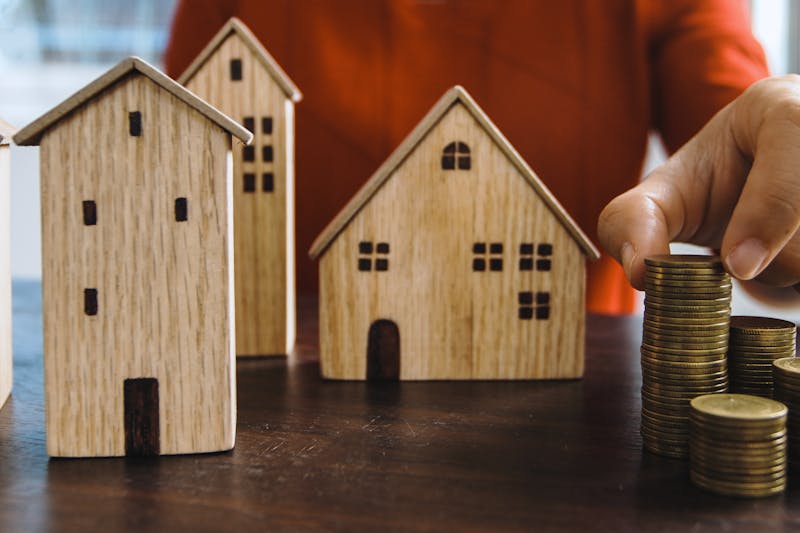
Building a new home generally requires a larger initial investment than renovating an existing property.
Construction costs depend on several factors:
Land Acquisition
If you do not already own land, purchasing a suitable lot can become one of the largest expenses.
Costs may include:
- Purchase price
- Site surveys
- Soil testing
- Utility connections
- Land clearing
Construction Materials
New homes require materials for every component of the structure.
These materials include:
- Concrete
- Lumber
- Steel
- Roofing systems
- Insulation
- Windows
- Doors
- Interior finishes
Fluctuations in material prices can significantly affect the final project budget.
Design and Engineering Fees
New construction often requires professional services such as:
- Architects
- Structural engineers
- Surveyors
- Interior designers
These services ensure the home is safe, functional, and compliant with local building regulations.
Permits and Inspections
New homes typically require multiple permits and inspections throughout construction. Fees vary by location but must be included in the overall project budget.
Is Renovating Usually Cheaper Than Building New?
In many cases, yes.
A moderate renovation generally costs less than constructing an entirely new home because major structural elements already exist.
Existing components often include:
- Foundation
- Framing
- Roofing structure
- Utility connections
- Driveways
- Landscaping
Retaining these elements can result in substantial savings.
However, renovation is not always the cheaper option.
When a property requires extensive repairs or modernization, costs can escalate rapidly. If multiple systems need replacement, homeowners may find that renovation expenses approach the cost of new construction.
When Renovation Becomes More Expensive Than Expected
Many homeowners begin renovation projects with a specific budget in mind, only to encounter unexpected expenses.
Hidden Structural Damage
Problems concealed behind walls or beneath flooring may include:
- Rotting wood
- Foundation settlement
- Plumbing leaks
- Electrical hazards
Addressing these issues is necessary for safety, but can significantly increase costs.
Outdated Building Systems
Older homes frequently contain aging infrastructure.
Common upgrades include:
- Electrical panel replacement
- Plumbing modernization
- HVAC system replacement
- Insulation improvements
These upgrades may not be visible, but often consume a substantial portion of the budget.
Permit and Compliance Requirements
Renovations may trigger building code updates.
Homeowners may be required to:
- Upgrade electrical systems
- Improve fire safety measures
- Install energy-efficient components
- Reinforce structural elements
Compliance costs can add unexpected financial pressure.
Advantages of Renovating an Existing Home
Despite potential challenges, renovation offers several financial and practical benefits.
Lower Initial Investment
Most renovation projects require less capital than constructing a new home.
This makes renovation attractive for homeowners seeking improvements without taking on a massive financial burden.
Preservation of Location
Many homeowners love their neighborhood, school district, or proximity to work.
Renovation allows families to stay in a desirable location while enhancing their living space.
Faster Project Completion
Depending on the scope, renovations can often be completed faster than new construction.
Building a house from scratch involves multiple phases that can extend timelines considerably.
Potential Increase in Property Value
Strategic improvements can enhance market value and attract future buyers.
Projects with strong return on investment often include:
- Kitchen upgrades
- Bathroom remodeling
- Roof replacement
- Energy-efficient improvements
Advantages of Building a New House
Although more expensive initially, new construction offers unique benefits.
Complete Design Freedom
Homeowners can customize every aspect of the property.
This includes:
- Floor plans
- Room sizes
- Architectural style
- Finishes
- Technology integration
The result is a home designed specifically for current and future needs.
Lower Maintenance Costs
Everything in a new home is brand new.
Owners are less likely to encounter expensive repairs during the first several years of ownership.
Improved Energy Efficiency
Modern construction techniques often include:
- Advanced insulation
- High-performance windows
- Energy-efficient HVAC systems
- Smart home technology
These features can reduce long-term operating expenses.
Better Compliance with Modern Building Codes
New homes are built according to current standards, improving safety, efficiency, and durability.
Which Option Provides Better Long-Term Value?
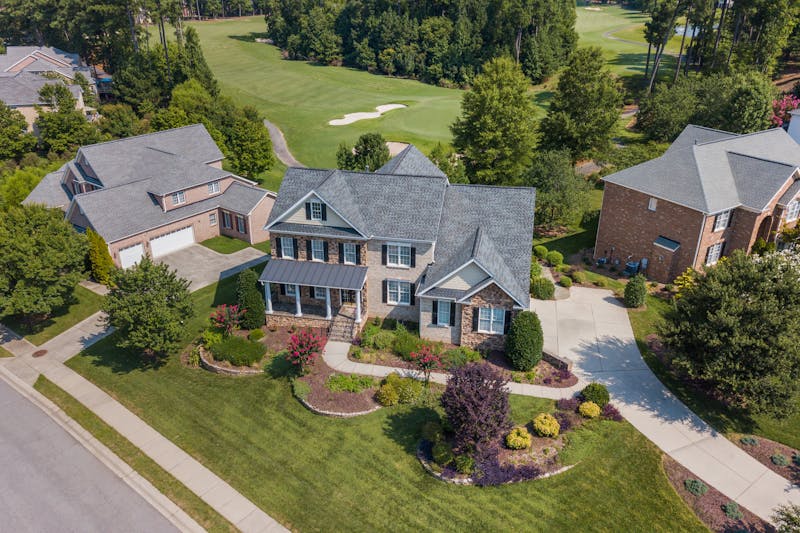
Long-term value depends on several considerations beyond upfront costs.
Property Appreciation
A renovated home may appreciate significantly if improvements increase functionality and curb appeal.
However, a newly constructed home may command higher resale prices because buyers often prefer modern layouts and systems.
Operating Expenses
Older homes typically cost more to maintain.
Even after renovation, some aging systems may remain.
New construction often delivers:
- Lower utility bills
- Reduced repair costs
- Improved energy efficiency
These savings can accumulate over time.
Future Renovation Needs
A newly built home generally postpones major maintenance expenses for years.
Renovated homes may still require future upgrades depending on the extent of work completed.
Factors That Should Influence Your Decision
Choosing between renovation and new construction requires evaluating several personal and financial factors.
Current Condition of Your Home
Ask yourself:
- Is the foundation stable?
- Are major systems functioning properly?
- Is the structure worth preserving?
A structurally sound home often makes renovation a more practical choice.
Budget Availability
Determine how much you can realistically invest.
Consider:
- Savings
- Financing options
- Emergency reserves
- Future maintenance costs
Financial preparedness should guide the decision-making process.
Desired Level of Customization
If your vision requires dramatic layout changes or highly specific design features, building new may provide greater flexibility.
Emotional Attachment
Many homeowners have strong sentimental connections to their homes.
Preserving memories and maintaining community ties can make renovation particularly appealing.
Cost Comparison: Renovation vs. New Construction
While exact costs vary, the following comparison illustrates common differences.
Renovation
Potential benefits:
- Lower upfront costs
- Faster completion
- Existing utilities and infrastructure
- Less disruption to the surrounding property
Potential drawbacks:
- Hidden problems
- Limited design flexibility
- Unexpected expenses
- Older components may remain
New Construction
Potential benefits:
- Fully customized design
- Modern systems and materials
- Lower maintenance costs
- Greater energy efficiency
Potential drawbacks:
- Higher initial investment
- Longer timeline
- Permit complexity
- Potential land acquisition costs
How Can Homeowners Control Costs?
Whether renovating or building new, careful planning can help prevent budget overruns.
Create a Detailed Budget
Develop realistic cost estimates before work begins.
Include:
- Labor
- Materials
- Permits
- Design fees
- Contingency funds
A contingency reserve helps address unforeseen expenses.
Prioritize Needs Over Wants
Distinguish between essential improvements and luxury upgrades.
This approach keeps projects aligned with financial goals.
Hire Qualified Professionals
Experienced contractors can identify potential issues early and reduce costly mistakes.
Obtaining multiple quotes allows homeowners to compare services and pricing.
Plan for the Long Term
Short-term savings can sometimes lead to larger future expenses.
Evaluating durability, maintenance requirements, and energy efficiency helps maximize long-term value.
Many homeowners who implement practical home remodeling strategies find that careful planning and phased improvements can significantly improve cost efficiency without sacrificing quality.
Common Mistakes That Increase Costs
Avoiding these common pitfalls can protect your investment.
Starting Without a Clear Plan
Frequent design changes often increase labor and material costs.
Choosing Based Solely on Price
The lowest bid may not always deliver the best value.
Poor workmanship can lead to expensive corrections later.
Ignoring Permits
Skipping permits may result in fines, delays, or difficulties when selling the property.
Underestimating Contingency Needs
Unexpected discoveries are common in both renovation and construction projects.
Setting aside additional funds reduces financial stress.
Real-Life Scenarios: Which Choice Makes More Sense?
Scenario 1: Structurally Sound Home in a Great Neighborhood
If the home has good bones and only requires cosmetic updates or moderate remodeling, renovation is often the more cost-effective choice.
Scenario 2: Extensive Structural Problems
A house with severe foundation issues, water damage, or outdated systems may require such extensive repairs that rebuilding becomes more financially reasonable.
Scenario 3: Growing Family With Specific Needs
If existing layouts cannot accommodate future needs, building a new home may provide the flexibility necessary for long-term comfort.
Scenario 4: Historic or Character Homes
Properties with architectural significance often benefit from renovation because preserving unique features can increase both personal enjoyment and market appeal.
Making the Right Financial Decision
There is no universal answer to whether renovation or new construction is better. The decision depends on your property’s condition, financial situation, lifestyle goals, and long-term plans.
A successful home renovation can deliver exceptional value when the existing structure remains sound, and the improvements are carefully planned. Renovation often allows homeowners to achieve meaningful upgrades at a lower cost while maintaining the location and character they already love.
Conversely, building a new house may justify the higher investment when extensive repairs are needed or when complete customization is a priority. Modern construction standards, improved energy efficiency, and reduced maintenance requirements can create long-term savings that offset higher upfront costs.
By carefully evaluating both options, consulting qualified professionals, and developing a realistic budget, homeowners can choose the path that provides the greatest value and satisfaction for years to come.
Conclusion
When comparing how much home renovation costs to building a new house, the answer ultimately depends on the scope of the project and the condition of the existing property. Renovation is often less expensive and allows homeowners to preserve their location and existing structure. However, major repairs and hidden issues can narrow the cost gap between remodeling and rebuilding.
Building a new home typically requires a larger upfront investment, but it offers complete design flexibility, modern systems, and lower maintenance costs. The best choice is one that aligns with your budget, lifestyle needs, and long-term goals. Taking the time to evaluate all costs, benefits, and potential challenges will help ensure that your investment delivers lasting value and peace of mind.