


Home remodeling is exciting, but it can also feel overwhelming. The allure of modernizing your kitchen, updating bathrooms, or transforming living spaces can quickly collide with reality when budgets run tight or unexpected issues arise. Many homeowners start with enthusiasm, only to face delays, cost overruns, or mismanaged priorities.
The key to a successful renovation is planning strategically. By assessing your home’s current condition, prioritizing essential projects, and coordinating the right professionals, you can complete a remodeling project without draining your finances. This guide provides actionable tips for budget-conscious homeowners, helping you navigate everything from inspections to scheduling, materials, and labor.
1. Set a Realistic Budget and Define Your Goals

Before diving into selecting paint colors, flooring, or tile designs, it’s essential to set a clear and realistic budget. Many home remodeling projects run into trouble because homeowners underestimate the true cost of construction, materials, and labor. Others may overspend on aesthetic improvements while neglecting crucial repairs, which can lead to bigger problems—and bigger bills—down the line. A thoughtful budgeting process lays the foundation for a successful project, giving you the confidence to make informed decisions at every stage.
Steps to create a budget:
-
Assess your finances thoroughly:
Start by reviewing your savings, available credit, potential renovation loans, and monthly cash flow. Determine how much you can realistically allocate to your remodeling project without compromising your emergency fund or regular living expenses. Including a contingency fund of 10–15% for unexpected costs is crucial; renovation surprises, such as hidden water damage or outdated wiring, are common and can be expensive if unplanned. -
Categorize projects:
Divide your renovation into essential and optional components. Essentials include structural repairs, roofing, plumbing, and other safety-critical updates. Optional projects may involve decorative finishes, luxury appliances, or cosmetic improvements. By clearly separating needs from wants, you can ensure that critical work is completed first, avoiding the scenario where aesthetic upgrades eat into the budget for structural or mechanical fixes. -
Estimate costs before committing:
Obtain preliminary quotes from contractors and suppliers for major projects. This allows you to gauge the affordability of specific improvements and prevents unpleasant surprises later. For example, knowing the average cost of door repair or installing new fixtures can help you decide whether to tackle these tasks now or defer them to a later phase.
Tips to prioritize effectively:
-
Focus on areas that affect daily living or home value the most:
Kitchens and bathrooms typically offer the highest return on investment and impact your family’s daily routine. Addressing these spaces first ensures both functionality and long-term value. Other high-priority areas might include a basement renovation that adds usable square footage or repairing the roof to protect the home from damage. -
Evaluate luxury upgrades carefully:
While luxury finishes and appliances are appealing, they aren’t always necessary. For instance, door repair can improve function, security, and aesthetics at a fraction of the cost of full replacements. Assess whether high-end upgrades significantly improve quality of life or resale value, or whether more cost-effective alternatives can achieve similar results. -
Plan for specialized work:
Certain aspects of a remodel require professional expertise. Hiring a plumbing service early for urgent issues such as leaks, clogged drains, or outdated piping ensures safety and prevents future disruptions. Deferring critical mechanical work in favor of cosmetic upgrades can lead to additional costs and project delays. -
Sequence your priorities logically:
Tackling high-priority projects first helps manage cash flow and labor efficiently. For example, complete structural repairs or plumbing updates before installing new flooring, cabinetry, or decorative elements. Sequencing your work this way prevents rework and ensures that essential systems are fully functional before finishing touches are added. -
Use cost estimates to guide decision-making:
Collect multiple quotes from different contractors for each major task. Comparing costs for services such as door repair or plumbing ensures you are getting competitive rates and prevents overpaying. You can also identify opportunities to combine projects or negotiate bundled pricing for labor and materials.
By taking the time to set a realistic budget and clearly define your priorities, you create a roadmap for your remodeling project. This planning step reduces stress, prevents overspending, and ensures that both functional and aesthetic goals are achieved efficiently. Establishing these boundaries early allows you to make informed, confident decisions as you move through the renovation process, maximizing the impact of every dollar spent.
2. Assess Your Home’s Current Condition
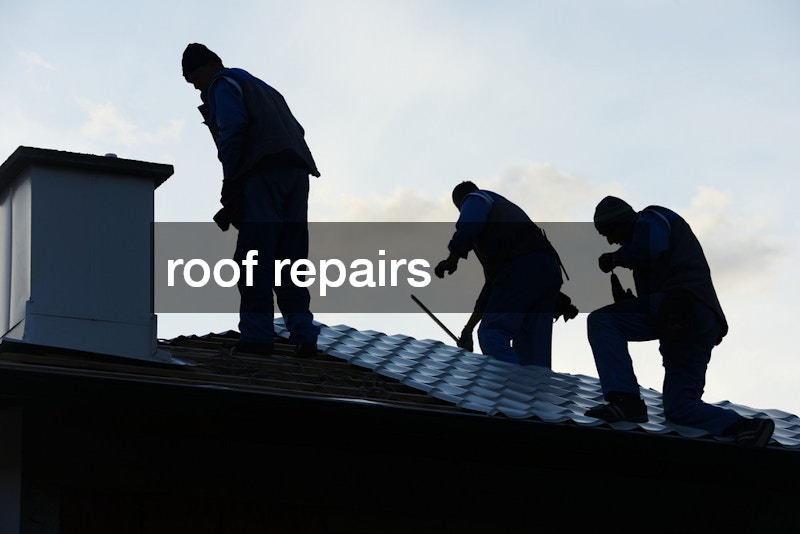
Before starting any aesthetic upgrades, conducting a thorough evaluation of your home’s existing condition is essential. Skipping this step can lead to expensive surprises, delays, and even unsafe conditions during your remodel. By identifying structural weaknesses, plumbing or electrical issues, and appliance inefficiencies early, you can prioritize repairs and allocate your budget wisely, ensuring that cosmetic improvements don’t mask underlying problems.
Key areas to evaluate:
-
Roof and exterior:
Examine the roof for missing or damaged shingles, sagging areas, or water stains inside the attic or ceilings. Inspect gutters, downspouts, and flashing for signs of leaks or improper drainage. Even minor issues, if left unattended, can compromise your home’s structural integrity and cause costly water damage during remodeling. Scheduling early repairs prevents disruptions later in your project. -
Plumbing and drains:
Check all visible pipes, faucets, and drains for leaks, corrosion, or low water pressure. Don’t forget to inspect hidden plumbing in basements, crawl spaces, or behind walls if accessible. Early detection of minor issues allows you to address them before new floors, cabinets, or walls are installed. This is also the time to note areas where you may need professional assistance, such as a plumbing service for upgrading outdated systems or repairing persistent leaks. -
Electrical systems:
Verify that your wiring is up to code and can handle the increased load from modern appliances, lighting, and electronics. Look for outdated outlets, exposed wiring, or circuit breakers that trip frequently. Ensuring your electrical system is safe and functional now prevents costly rewiring later, especially if your remodel includes kitchen or bathroom upgrades. -
Appliances and mechanical systems:
Test major appliances such as ovens, refrigerators, water heaters, HVAC units, and laundry machines. Identify inefficiencies, malfunctions, or units nearing the end of their lifespan. For example, replacing a malfunctioning HVAC unit during the remodel can improve energy efficiency and reduce long-term operating costs, while also aligning with other renovations to avoid duplicative labor or disruption.
Professional support:
-
Hire a residential roofing contractor to perform a detailed roof inspection. They can identify problems that aren’t obvious from the ground, such as hidden leaks, compromised flashing, or structural concerns. Addressing these issues early allows for roof repairs before interior projects begin, preventing water damage to walls, ceilings, and flooring.
-
For plumbing or electrical concerns, consider scheduling evaluations with licensed contractors to get accurate repair estimates and professional guidance on what must be addressed before starting cosmetic updates.
Creating a detailed checklist:
-
Document all findings, including the severity and urgency of each issue.
-
Rank repairs by priority: structural and safety issues first, functional systems next, and cosmetic improvements last.
-
Include estimated costs and potential contractor contacts to streamline project planning.
A comprehensive home assessment ensures that you tackle the most critical repairs first, avoiding situations where a minor oversight later becomes a major expense. It also allows you to confidently sequence remodeling tasks, integrate necessary system upgrades, and make informed decisions about where to allocate your budget for maximum impact.
3. Plan Interior Remodeling Projects Strategically
Interior renovations often account for the largest portion of a remodel budget. Strategic planning reduces overlap, ensures smooth workflow, and keeps costs manageable.
Tips for planning:
-
Sequence work logically: Complete plumbing, electrical, and structural updates before flooring, cabinetry, or painting.
-
Focus on high-impact areas: Kitchens and bathrooms deliver the highest return and should be prioritized.
-
Budget-friendly materials: Consider laminate counters, refacing cabinets, or cost-effective flooring for stylish yet affordable updates.
Practical examples:
-
Coordinating appliance repair with cabinetry upgrades allows you to maximize labor efficiency and avoid moving appliances multiple times.
-
Incorporating door repair into a larger room refresh ensures functionality and visual consistency without extra labor costs.
Strategic planning of interior projects ensures you maintain momentum and avoid unnecessary costs or delays.
4. Optimize Basement and Utility Spaces

Basements and utility areas are often overlooked, yet these spaces provide opportunities to add functional living space or storage. Planning updates wisely ensures you maximize value without overspending.
Key considerations:
-
Moisture control: Inspect for leaks, mold, and water intrusion before finishing walls or floors.
-
Insulation and HVAC: Proper insulation and ventilation make basements comfortable and energy-efficient.
-
Electrical and plumbing: Upgrade outdated systems as needed to prevent future issues.
Professional integration:
-
Coordinate a plumbing service to address pipe leaks, drainage issues, or water heater needs during renovations.
-
In homes with private wells, hire well installers to ensure water supply systems are safe and compliant.
Investing time in planning basement and utility spaces ensures these areas are functional, safe, and integrated seamlessly into the overall remodel.
5. Improve Your Home’s Exterior Efficiently

Exterior renovations are not only about aesthetics—they also protect your home from damage. Prioritizing cost-effective updates increases curb appeal and ensures long-term durability.
Cost-saving tips:
-
Focus on high-impact updates like painting, siding, or minor landscaping before luxury additions.
-
Bundle exterior projects to minimize contractor visits and reduce labor costs.
-
DIY simple tasks such as cleaning gutters or minor painting to save money.
Professional considerations:
-
Hiring garage door companies ensures that your garage doors are functional, secure, and durable.
-
Use roofing contractors for exterior roof inspections or small repairs, avoiding future leaks that could disrupt interior remodeling.
By planning exterior work strategically, you enhance the home’s appearance and protect it from long-term damage without overspending.
6. Address Plumbing and Septic Systems Early
Neglecting plumbing or septic issues can derail remodeling plans and lead to expensive repairs. Tackling these systems early ensures your remodel stays on schedule.
Steps to address plumbing and septic needs:
-
Inspect all pipes, fixtures, and drainage systems before starting cosmetic upgrades.
-
Schedule necessary maintenance or repairs in advance to avoid emergency costs.
-
Ensure compliance with local codes for water and waste systems.
Professional guidance:
-
Hire local septic repairs experts to maintain or repair septic systems as needed.
-
Coordinate with a plumbing service to address leaks, clogs, or outdated fixtures during early phases of the remodel.
By prioritizing plumbing and septic maintenance, you protect your investment and prevent costly interruptions during renovation.
7. Upgrade Heating, Cooling, and Roofing Systems Strategically
Roofing and HVAC systems play a critical role in home comfort, safety, and energy efficiency. Addressing these elements at the right time prevents costly setbacks.
Tips for cost-effective upgrades:
-
Inspect the roof for leaks or damage and schedule repairs to prevent interior damage during remodeling.
-
Evaluate HVAC systems for efficiency, and repair or replace units if needed to support updated layouts.
-
Coordinate roof or HVAC work with other contractors to reduce scheduling conflicts and labor costs.
Professional assistance:
-
Pair roof repairs with inspections from a residential roofing contractor to ensure the home is secure before interior or exterior cosmetic updates.
Strategic planning of roofing and HVAC work ensures safety, comfort, and efficiency throughout the renovation.
8. Shop Smart for Materials and Labor
The cost of materials and labor often makes up the largest portion of a remodeling budget. Shopping strategically ensures quality while keeping expenses manageable.
Tips for cost-effective shopping:
-
Obtain multiple quotes from contractors and suppliers before committing.
-
Consider bundled services or bulk purchases for discounts.
-
Prioritize durability over luxury to minimize long-term maintenance costs.
Practical examples:
-
Plan appliance repair alongside cabinetry or kitchen updates to save on labor and installation fees.
-
Schedule door repair projects alongside other interior updates to reduce the number of contractor visits and costs.
Smart material and labor choices maximize budget efficiency without sacrificing quality or aesthetics.
9. Sequence Renovations for Maximum Efficiency
Proper sequencing of tasks ensures a smooth workflow and reduces unnecessary expenses.
Sequencing strategies:
-
Complete structural and mechanical work before cosmetic finishes.
-
Schedule exterior projects before interior updates to minimize disruptions.
-
Coordinate multiple contractors to avoid overlap and wasted labor.
Professional coordination:
-
Engage roofing contractors to complete exterior roof or gutter work before interior finishing.
-
Schedule garage door companies installations after exterior work to prevent accidental damage.
Effective sequencing allows each contractor to perform their work efficiently, saving both time and money.
10. Monitor Progress and Adjust Your Plan as Needed
Even with meticulous planning, unexpected issues are inevitable. Monitoring progress ensures that you stay on schedule and within budget.
Tips for monitoring:
-
Track expenses against your budget regularly.
-
Inspect work at key milestones to ensure quality standards are met.
-
Adjust project timelines and priorities when unforeseen repairs arise.
Professional guidance:
-
Consult well installers if water supply issues are detected during the remodel.
-
Schedule local septic repairs promptly if problems appear to avoid delays or damage.
By actively monitoring your remodeling project, you can respond to challenges without derailing your budget or timeline.
A budget-friendly home remodeling project is achievable with careful planning, strategic prioritization, and proactive problem-solving. By assessing your home thoroughly, scheduling work efficiently, coordinating contractors, and making smart material choices, you can enhance both functionality and aesthetics without overspending.
Balancing essential repairs with cosmetic updates ensures that every dollar contributes to long-term value and comfort. Following these strategies allows homeowners to complete renovations confidently, on budget, and with lasting results.