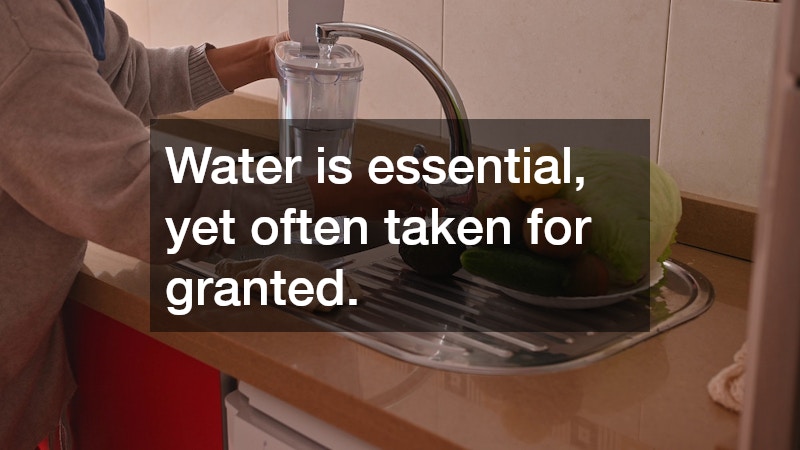

Water is essential for life, but not all water is created equal. Even if your water looks clear and tastes fine, it could still contain contaminants that pose health risks or damage your home’s plumbing and appliances. A home water test is a simple yet crucial step in ensuring that the water you and your family use every day is safe and clean. Understanding why testing is important, the types of contaminants to watch for, and how a professional can help will empower you to make informed decisions about your household water quality.
Protecting Your Health
One of the most compelling reasons to perform a home water test is to protect your family’s health. Water can carry harmful bacteria, viruses, or chemical contaminants that are not visible to the naked eye.
Common issues include lead, nitrates, chlorine, and microbial pathogens such as E. coli. Exposure to these contaminants, even in small amounts, can lead to a range of health problems, from gastrointestinal illnesses to long-term developmental or neurological effects, particularly in children.
Testing your water allows you to identify and address these hazards before they become a serious problem. For households with young children, pregnant women, or elderly family members, a regular home water test is especially important, as these groups are more vulnerable to the effects of contaminated water.
Identifying Hidden Contaminants
Even municipal water systems, which are treated to meet safety standards, can sometimes contain contaminants due to aging infrastructure or occasional system failures. Well water, on the other hand, is particularly susceptible to natural contaminants such as bacteria, heavy metals, and chemicals from nearby agricultural or industrial activity.
A home water test can reveal the presence of hidden contaminants that might not cause noticeable changes in taste, smell, or color. For example, high levels of iron can leave reddish stains in sinks and bathtubs, while excessive hardness can lead to scale buildup in pipes and appliances. Detecting these issues early allows you to take corrective measures, such as installing water softeners, filtration systems, or point-of-use treatment units.
Preserving Plumbing and Appliances
Contaminated or hard water can cause more than just health problems—it can also damage your home’s plumbing and appliances. Minerals like calcium and magnesium can accumulate in pipes, water heaters, and dishwashers, reducing efficiency and shortening the lifespan of your equipment. Corrosive water with a low pH or high acidity can eat away at metal pipes, leading to leaks and costly repairs.
Regular home water tests provide valuable insight into your water’s chemical composition, helping you choose the right solutions to protect your plumbing and appliances. By addressing these issues proactively, you can avoid expensive repairs and maintain the efficiency of your household systems.
Supporting Informed Decisions
A water test gives you concrete data about your home’s water quality, enabling you to make informed decisions. For instance, if your water contains elevated levels of chlorine or chloramines, you might consider installing a carbon filtration system. If lead is detected, replacing old pipes or using certified filters becomes a priority. For well owners, identifying microbial contaminants can guide decisions about disinfection and maintenance.
Knowing exactly what’s in your water also helps you plan for long-term solutions rather than relying on guesswork or generic treatments. This ensures that any investments you make in water filtration, softening, or treatment systems are both effective and necessary.
When to Test Your Water
It’s a good idea to test your water regularly, even if you don’t notice any problems. Annual testing is recommended for households using well water, while municipal water users might consider testing every few years or after any plumbing changes or local advisories. Other situations that call for immediate testing include:
-
A sudden change in taste, color, or odor
-
Health issues in household members that could be linked to water
-
Installation of new plumbing or water-using appliances
-
Notification from your local water supplier about potential contamination
Professional Testing vs. DIY Kits
While DIY water testing kits are widely available and can provide basic information, professional testing offers a more comprehensive and accurate assessment. Licensed laboratories can measure a broader range of contaminants at precise levels, providing actionable insights that DIY kits may miss.
Professionals can also interpret the results, recommend the best treatment methods, and help you implement long-term solutions to ensure safe and clean water throughout your home. A professional home water test is an investment in your family’s health, your home’s longevity, and your peace of mind.
Water is essential, yet often taken for granted. Even if your water appears clean, it could harbor contaminants that affect your health, plumbing, and appliances. Performing a regular home water test helps you identify hidden hazards, take corrective measures, and make informed decisions about water treatment. Whether you rely on municipal water or a private well, testing ensures that the water flowing into your home is safe, clean, and healthy for everyone who uses it.